Top 10 Medical Equipment List for New Hospitals and Healthcare Centres
Top 10 Medical Equipment List for New Hospitals and Healthcare Centres

Share:
Share
When a new hospital is being put together, most attention goes to the building, the departments, and the staffing. Still, the equipment inside the facility often ends up playing a bigger role in how effectively healthcare services can be delivered. Surgeons need reliable setups in the operating room; clinicians depend on precise technology, and patients are expecting safe treatment.
Today, healthcare facilities are managing far more complicated procedures than ever before so advanced surgical and diagnostic equipment becomes a requirement, not a “nice to have.” Buying the best medical equipments from the beginning helps hospitals steer away from operational hiccups, and it supports better patient care overall. In this article, we look at ten essential equipment categories that every new hospital and healthcare center ought to consider before it opens its doors.
Top 10 Essential Medical Equipment Every New Hospital Should Invest In
1. Operation Theatre Lights
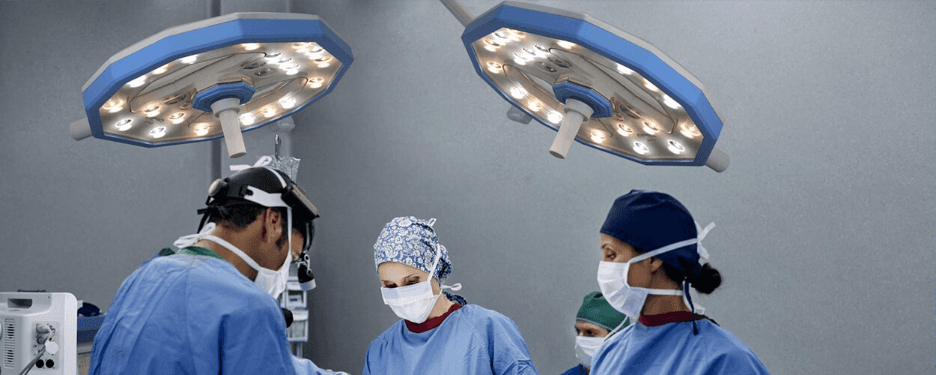
Operation theatre lights give the clear visibility surgeons are looking for during procedures. The shadow less illumination helps doctors correctly pick out tissues and anatomical structures, especially when the surgeries get complicated. In addition, proper lighting tends to lower eye strain and backs surgeon comfort throughout long operating hours, which matters a lot.
Key Features to Look For
LED technology
Adjustable light intensity
Low heat emission
High Color Rendering Index (CRI)
Benefits for Hospitals
Better visibility in the surgical field
Reduced risk of surgical errors
Longer service life and lower maintenance costs
2. Operation Theatre Tables and Medical Pendants
Operation theatre tables and medical pendants work together to make an efficient surgical setup. The OT table gives the patient the right positioning for different procedures. Meanwhile, the medical pendants help keep gases, power outlets and other equipment close by so the surgical team can grab things without delays.
Key Features to Look For
Electro-hydraulic functionality
Multi-position adjustments
Radiolucent tabletop
Modular pendant design
Flexible arm movement
Integrated utility management
Benefits for Hospitals
Improved surgical access and workflow
Reduced cable clutter in the operating room
Better patient safety and infection control
More efficient use of operating room space
3. Endoscopic Imaging Systems
Endoscopic imaging systems are used widely in minimally invasive procedures across laparoscopy, gynecology, urology, and ENT. When the visual is clear, surgeons tend to work with more confidence and with that extra precision.
Key Features to Look For
HD/4K imaging
High-definition camera systems
Advanced image processing
Accurate color reproduction
Benefits for Hospitals
Improved diagnostic accuracy
Enhanced surgical visualization
Faster patient recovery
4. Electrosurgical Generator Units (ESU)
Electrosurgical generators are used to cut tissue, coagulate, and manage bleeding during surgical procedures. They make it easier for surgeons to move through the steps efficiently while keeping a high level of precision throughout the operation.
Key Features to Look For
Multiple surgical modes
Bipolar and monopolar functionality
Safety monitoring systems
Energy precision controls
Benefits for Hospitals
Reduced blood loss
Improved surgical efficiency
Enhanced patient outcomes
5. OR Integration Systems
OR integration systems bring several operating room technologies onto one platform, so it feels easier to manage the equipment and information during the procedure.
Key Features to Look For
Video routing and management
Device connectivity
Surgical data recording
Real-time collaboration capabilities
Benefits for Hospitals
Streamlined workflows
Improved communication among teams
Better surgical documentation
6. Patient Monitoring Systems
Patient monitoring systems let healthcare teams keep a steady eye on patient vital signs like the heart rate, blood pressure, oxygen saturation, and also respiratory rate, can be tracked continuously. In the end, they matter a lot in operating rooms, ICUs, and emergency departments, where quick reaction can really change outcomes.
Key Features to Look For
Multi-parameter monitoring
Real-time data display
Alarm management system
Data recording and connectivity
Benefits for Hospitals
Continuous patient monitoring
Early detection of complications
Better clinical decision-making
7. Ventilators
Ventilators give breathing support to patients who can’t manage adequate ventilation by themselves. They are particularly important in intensive care units, emergency departments, and operating rooms, mainly during severe, and post-operative recovery phases.
Key Features to Look For
Multiple ventilation modes
Precise oxygen delivery
Advanced monitoring features
Emergency backup systems
Benefits for Hospitals
Better critical care support
Improved patient management
Enhanced treatment outcomes
8. Anesthesia Workstations
Anesthesia workstations are a key part of every operating room; they help anesthesiologists deliver anesthesia safely while also monitoring the patient's breathing and a few other critical parameters all the time.
Key Features to Look For
Integrated ventilator
Advanced monitoring capabilities
User-friendly interface
Safety alarm systems
Benefits for Hospitals
Improved patient safety
Better anesthesia management
Greater efficiency in the operating room
9. C-Arm Imaging Systems
C-arms give real time imaging during procedures, so surgeons can look at anatomical structures without doing extra incisions. They’re used widely in orthopedics, urology, and also in trauma surgeries.
Key Features to Look For
High-resolution imaging
Compact and mobile design
Low-dose radiation technology
Easy image storage and transfer
Benefits for Hospitals
Improved surgical accuracy
Faster decision-making during procedures
Better outcomes in image-guided surgeries
10. Ultrasound Machines
Ultrasound systems are used in multiple specialties for diagnostic work, procedural guidance, and monitoring the patient. They give fast images, without exposing patients to radiation.
Key Features to Look For
High-quality imaging
Multiple probe options
Portable design
Advanced imaging modes
Benefits for Hospitals
Faster diagnosis
Versatility across departments
Reduced dependency on radiation-based imaging
Factors to Consider Before Purchasing Medical Equipment
Budget and ROI
Don’t just look at the initial purchase cost, look deeper at the long-term value, the upkeep expenses, and what kind of return on investment you can realistically expect.
Scalability
Pick tools and equipment that can handle future growth, more departments, and rising patient volumes without too much hassle later on.
Regulatory Compliance
Make sure the equipment actually meets NABH requirements and other key healthcare quality safety standards.
Service and Support
Reliable maintenance services and technical assistance are essential because they help keep downtime as low as possible and keep operations running, without too much interruption.
Training Requirements
Healthcare professionals should get proper training, so they can use the equipment safely, and in a proper, effective manner inside clinical settings.
Conclusion
Every hospital has different requirements, yet the need for dependable and well-planned medical equipment remains the same. The equipments mentioned above is the backbone of modern surgery and clinical care, it supports healthcare teams to work more efficiently and helps with better patient outcomes.
When hospitals are purchasing equipment, they should look a bit past the immediate needs and think about how their facility may grow, in the coming years. Picking technology that is reliable, scalable and kind of straightforward to service can make a huge difference in everyday operations. A solid healthcare facility is built not only by skilled professionals but also by the medical equipment that goes along with them.
When a new hospital is being put together, most attention goes to the building, the departments, and the staffing. Still, the equipment inside the facility often ends up playing a bigger role in how effectively healthcare services can be delivered. Surgeons need reliable setups in the operating room; clinicians depend on precise technology, and patients are expecting safe treatment.
Today, healthcare facilities are managing far more complicated procedures than ever before so advanced surgical and diagnostic equipment becomes a requirement, not a “nice to have.” Buying the best medical equipments from the beginning helps hospitals steer away from operational hiccups, and it supports better patient care overall. In this article, we look at ten essential equipment categories that every new hospital and healthcare center ought to consider before it opens its doors.
Top 10 Essential Medical Equipment Every New Hospital Should Invest In
1. Operation Theatre Lights
Operation theatre lights give the clear visibility surgeons are looking for during procedures. The shadow less illumination helps doctors correctly pick out tissues and anatomical structures, especially when the surgeries get complicated. In addition, proper lighting tends to lower eye strain and backs surgeon comfort throughout long operating hours, which matters a lot.
Key Features to Look For
LED technology
Adjustable light intensity
Low heat emission
High Color Rendering Index (CRI)
Benefits for Hospitals
Better visibility in the surgical field
Reduced risk of surgical errors
Longer service life and lower maintenance costs
2. Operation Theatre Tables and Medical Pendants
Operation theatre tables and medical pendants work together to make an efficient surgical setup. The OT table gives the patient the right positioning for different procedures. Meanwhile, the medical pendants help keep gases, power outlets and other equipment close by so the surgical team can grab things without delays.
Key Features to Look For
Electro-hydraulic functionality
Multi-position adjustments
Radiolucent tabletop
Modular pendant design
Flexible arm movement
Integrated utility management
Benefits for Hospitals
Improved surgical access and workflow
Reduced cable clutter in the operating room
Better patient safety and infection control
More efficient use of operating room space
3. Endoscopic Imaging Systems
Endoscopic imaging systems are used widely in minimally invasive procedures across laparoscopy, gynecology, urology, and ENT. When the visual is clear, surgeons tend to work with more confidence and with that extra precision.
Key Features to Look For
HD/4K imaging
High-definition camera systems
Advanced image processing
Accurate color reproduction
Benefits for Hospitals
Improved diagnostic accuracy
Enhanced surgical visualization
Faster patient recovery
4. Electrosurgical Generator Units (ESU)
Electrosurgical generators are used to cut tissue, coagulate, and manage bleeding during surgical procedures. They make it easier for surgeons to move through the steps efficiently while keeping a high level of precision throughout the operation.
Key Features to Look For
Multiple surgical modes
Bipolar and monopolar functionality
Safety monitoring systems
Energy precision controls
Benefits for Hospitals
Reduced blood loss
Improved surgical efficiency
Enhanced patient outcomes
5. OR Integration Systems
OR integration systems bring several operating room technologies onto one platform, so it feels easier to manage the equipment and information during the procedure.
Key Features to Look For
Video routing and management
Device connectivity
Surgical data recording
Real-time collaboration capabilities
Benefits for Hospitals
Streamlined workflows
Improved communication among teams
Better surgical documentation
6. Patient Monitoring Systems
Patient monitoring systems let healthcare teams keep a steady eye on patient vital signs like the heart rate, blood pressure, oxygen saturation, and also respiratory rate, can be tracked continuously. In the end, they matter a lot in operating rooms, ICUs, and emergency departments, where quick reaction can really change outcomes.
Key Features to Look For
Multi-parameter monitoring
Real-time data display
Alarm management system
Data recording and connectivity
Benefits for Hospitals
Continuous patient monitoring
Early detection of complications
Better clinical decision-making
7. Ventilators
Ventilators give breathing support to patients who can’t manage adequate ventilation by themselves. They are particularly important in intensive care units, emergency departments, and operating rooms, mainly during severe, and post-operative recovery phases.
Key Features to Look For
Multiple ventilation modes
Precise oxygen delivery
Advanced monitoring features
Emergency backup systems
Benefits for Hospitals
Better critical care support
Improved patient management
Enhanced treatment outcomes
8. Anesthesia Workstations
Anesthesia workstations are a key part of every operating room; they help anesthesiologists deliver anesthesia safely while also monitoring the patient's breathing and a few other critical parameters all the time.
Key Features to Look For
Integrated ventilator
Advanced monitoring capabilities
User-friendly interface
Safety alarm systems
Benefits for Hospitals
Improved patient safety
Better anesthesia management
Greater efficiency in the operating room
9. C-Arm Imaging Systems
C-arms give real time imaging during procedures, so surgeons can look at anatomical structures without doing extra incisions. They’re used widely in orthopedics, urology, and also in trauma surgeries.
Key Features to Look For
High-resolution imaging
Compact and mobile design
Low-dose radiation technology
Easy image storage and transfer
Benefits for Hospitals
Improved surgical accuracy
Faster decision-making during procedures
Better outcomes in image-guided surgeries
10. Ultrasound Machines
Ultrasound systems are used in multiple specialties for diagnostic work, procedural guidance, and monitoring the patient. They give fast images, without exposing patients to radiation.
Key Features to Look For
High-quality imaging
Multiple probe options
Portable design
Advanced imaging modes
Benefits for Hospitals
Faster diagnosis
Versatility across departments
Reduced dependency on radiation-based imaging
Factors to Consider Before Purchasing Medical Equipment
Budget and ROI
Don’t just look at the initial purchase cost, look deeper at the long-term value, the upkeep expenses, and what kind of return on investment you can realistically expect.
Scalability
Pick tools and equipment that can handle future growth, more departments, and rising patient volumes without too much hassle later on.
Regulatory Compliance
Make sure the equipment actually meets NABH requirements and other key healthcare quality safety standards.
Service and Support
Reliable maintenance services and technical assistance are essential because they help keep downtime as low as possible and keep operations running, without too much interruption.
Training Requirements
Healthcare professionals should get proper training, so they can use the equipment safely, and in a proper, effective manner inside clinical settings.
Conclusion
Every hospital has different requirements, yet the need for dependable and well-planned medical equipment remains the same. The equipments mentioned above is the backbone of modern surgery and clinical care, it supports healthcare teams to work more efficiently and helps with better patient outcomes.
When hospitals are purchasing equipment, they should look a bit past the immediate needs and think about how their facility may grow, in the coming years. Picking technology that is reliable, scalable and kind of straightforward to service can make a huge difference in everyday operations. A solid healthcare facility is built not only by skilled professionals but also by the medical equipment that goes along with them.
Share:
Share
RELATED ARTICLES
Read more from our blogs

How Medical Laboratory Technology Is Improving the Speed and Accuracy of Diagnostics
How Medical Laboratory Technology Is Improving the Speed and Accuracy of Diagnostics
What Are the Different Focus Modes in Modern Surgical Theatre Lights?
What Are the Different Focus Modes in Modern Surgical Theatre Lights?

How Advanced MedTech Solutions Are Improving Surgical Precision and Efficiency
How Advanced MedTech Solutions Are Improving Surgical Precision and Efficiency

How Hospitals Should Evaluate Medical Equipment Before Procurement
How Hospitals Should Evaluate Medical Equipment Before Procurement

Products
Get in touch


info@matrixmedicals.in

+91 7304411451
+91 9821235552
Copyright © 2026 Matrix Medicals Pvt. Ltd., All rights reserved.
Products
Get in touch
info@matrixmedicals.in
+91 7304411451
+91 9821235552
Copyright © 2026 Matrix Medicals Pvt. Ltd., All rights reserved.
Contact Us
Contact Us
Contact Us