Why Is Zero Positioning Important in Modern Operation Theatre Tables?
Why Is Zero Positioning Important in Modern Operation Theatre Tables?

Share:
Share
How Zero Positioning Simplifies Surgical Table Adjustments and OT Workflows
In a busy operating room, a surgical table rarely stays in one position for long. A single procedure may call for a tilt, a raised back section or a longitudinal slide, and once the case is over, the table must be brought back to a neutral setup before the next patient arrives. Adjusting each movement separately takes time and attention that the team would rather spend elsewhere. Zero positioning is a feature in certain motorized tables designed to make this easier. So, what exactly does zero positioning do, and why should hospitals consider it when selecting an operation theatre table?
What Is Zero Positioning in an Operation Theatre Table?
Zero positioning is a function that returns designated motorized tabletop movements to predefined neutral or starting positions. On a modern OT table, it is typically activated through the table control system, such as a hand control or control panel, rather than by adjusting each section on its own.
The movements involved may include lateral tilt, Trendelenburg, the back section, and longitudinal slide. This is what sets zero positioning apart from manual adjustment. Instead of selecting each movement and bringing it back one at a time, the operator starts a single function that handles the designated movements together.
It is worth remembering that the exact movements controlled by zero positioning vary between manufacturers and models. Not every movement necessarily resets automatically, so it helps to understand what a particular operation theatre table actually covers.
Why Is Zero Positioning Important During Surgical Workflows?
Zero positioning is best understood as a workflow feature, and its value shows in a few practical ways.
Simplifying table adjustment: A preset neutral-position function can reduce the need to adjust several tabletop movements individually, so staff can rely on one function for the movements it covers.
Supporting consistent table preparation: A defined starting configuration makes it easier for OT personnel to prepare the table for the next positioning requirement, with everyone working from the same reference point.
Supporting controlled repositioning: The feature may help the team return the table toward a known configuration, provided the movement is appropriate for the patient and the procedure. The clinical team still decides when and how to use it.
Reducing unnecessary control operations: Initiating a predefined sequence is more convenient than selecting several movements independently, particularly when the table needs resetting between stages or cases.
It is important to stay realistic. Zero positioning is a convenience feature, not a proven way to shorten turnover times or prevent positioning injuries. Its value lies in making routine adjustments simpler, which is why it deserves attention when comparing any OT table.
The Relationship Between Zero Positioning and Patient Safety
Zero positioning is a convenience and control feature. It is not a substitute for clinical positioning assessment.
Table movement must always be coordinated with the surgical and anesthesia teams. Before activating any automatic movement, the team should check the patient's position. Accessories, equipment, cables, and surrounding objects need to be clear so that nothing obstructs the tabletop as it moves, and the patient should be monitored throughout repositioning.
There is also an important distinction to keep in mind. Returning a table to a neutral configuration is not the same as ensuring the patient is safely positioned. The first is a mechanical outcome, while the second is a clinical responsibility.
Finally, the manufacturer's instructions for use should always be followed. Every operation theatre table has its own operating logic, and safe use depends on staff understanding it.
Zero Positioning vs. Manual Table Repositioning
Neither approach is universally safer, and each has its place.
Zero positioning | Manual repositioning |
Initiates a predefined positioning sequence | Individual movements are selected by the operator |
May simplify returning designated sections to neutral | Allows individual control over each movement |
Available on selected motorized tables | Available through the relevant controls or mechanisms |
Requires supervision during operation | Requires supervision during operation |
Zero positioning offers a convenient way to return selected movements to their predefined positions, while manual control remains important for procedure-specific adjustments on any table for operation theatre use.

Zero Positioning in Robusta Pro Operation Theatre Tables
Matrix Medicals offers the Robusta Pro range of operation theatre tables in hydraulic, semi-electric and fully motorized configurations. Zero positioning is listed among the range features, alongside positioning capabilities and accessories that help accommodate different surgical requirements.
Hospitals can consider zero positioning together with other factors, such as the control mechanism, the available positioning movements, and the configurations on offer. Together, these help determine whether a table suits the needs of the department.
What Should Hospitals Check Before Choosing an OT Table with Zero Positioning?
Before finalizing a table for operation theatre use, it helps to ask:
Which tabletop movements return to neutral?
Does the function require continuous button activation?
Can the operator interrupt automatic movement?
What safety precautions apply during repositioning?
Does the manufacturer provide operating instructions and staff training?
Is the feature available in the specific configuration being purchased?
Hospitals should evaluate how the feature operates rather than simply checking whether zero positioning appears in the specifications. Two tables may list the same feature and still behave quite differently.
Conclusion
Zero positioning can simplify selected tabletop adjustments and support more structured operating room workflows. Its usefulness, however, depends on the table's design, clinical application, and correct operation by trained personnel. To explore your options, look at the Robusta Pro range of operation theatre tables from Matrix Medicals.
How Zero Positioning Simplifies Surgical Table Adjustments and OT Workflows
In a busy operating room, a surgical table rarely stays in one position for long. A single procedure may call for a tilt, a raised back section or a longitudinal slide, and once the case is over, the table must be brought back to a neutral setup before the next patient arrives. Adjusting each movement separately takes time and attention that the team would rather spend elsewhere. Zero positioning is a feature in certain motorized tables designed to make this easier. So, what exactly does zero positioning do, and why should hospitals consider it when selecting an operation theatre table?
What Is Zero Positioning in an Operation Theatre Table?
Zero positioning is a function that returns designated motorized tabletop movements to predefined neutral or starting positions. On a modern OT table, it is typically activated through the table control system, such as a hand control or control panel, rather than by adjusting each section on its own.
The movements involved may include lateral tilt, Trendelenburg, the back section, and longitudinal slide. This is what sets zero positioning apart from manual adjustment. Instead of selecting each movement and bringing it back one at a time, the operator starts a single function that handles the designated movements together.
It is worth remembering that the exact movements controlled by zero positioning vary between manufacturers and models. Not every movement necessarily resets automatically, so it helps to understand what a particular operation theatre table actually covers.
Why Is Zero Positioning Important During Surgical Workflows?
Zero positioning is best understood as a workflow feature, and its value shows in a few practical ways.
Simplifying table adjustment: A preset neutral-position function can reduce the need to adjust several tabletop movements individually, so staff can rely on one function for the movements it covers.
Supporting consistent table preparation: A defined starting configuration makes it easier for OT personnel to prepare the table for the next positioning requirement, with everyone working from the same reference point.
Supporting controlled repositioning: The feature may help the team return the table toward a known configuration, provided the movement is appropriate for the patient and the procedure. The clinical team still decides when and how to use it.
Reducing unnecessary control operations: Initiating a predefined sequence is more convenient than selecting several movements independently, particularly when the table needs resetting between stages or cases.
It is important to stay realistic. Zero positioning is a convenience feature, not a proven way to shorten turnover times or prevent positioning injuries. Its value lies in making routine adjustments simpler, which is why it deserves attention when comparing any OT table.
The Relationship Between Zero Positioning and Patient Safety
Zero positioning is a convenience and control feature. It is not a substitute for clinical positioning assessment.
Table movement must always be coordinated with the surgical and anesthesia teams. Before activating any automatic movement, the team should check the patient's position. Accessories, equipment, cables, and surrounding objects need to be clear so that nothing obstructs the tabletop as it moves, and the patient should be monitored throughout repositioning.
There is also an important distinction to keep in mind. Returning a table to a neutral configuration is not the same as ensuring the patient is safely positioned. The first is a mechanical outcome, while the second is a clinical responsibility.
Finally, the manufacturer's instructions for use should always be followed. Every operation theatre table has its own operating logic, and safe use depends on staff understanding it.
Zero Positioning vs. Manual Table Repositioning
Neither approach is universally safer, and each has its place.
Zero positioning | Manual repositioning |
Initiates a predefined positioning sequence | Individual movements are selected by the operator |
May simplify returning designated sections to neutral | Allows individual control over each movement |
Available on selected motorized tables | Available through the relevant controls or mechanisms |
Requires supervision during operation | Requires supervision during operation |
Zero positioning offers a convenient way to return selected movements to their predefined positions, while manual control remains important for procedure-specific adjustments on any table for operation theatre use.
Zero Positioning in Robusta Pro Operation Theatre Tables
Matrix Medicals offers the Robusta Pro range of operation theatre tables in hydraulic, semi-electric and fully motorized configurations. Zero positioning is listed among the range features, alongside positioning capabilities and accessories that help accommodate different surgical requirements.
Hospitals can consider zero positioning together with other factors, such as the control mechanism, the available positioning movements, and the configurations on offer. Together, these help determine whether a table suits the needs of the department.
What Should Hospitals Check Before Choosing an OT Table with Zero Positioning?
Before finalizing a table for operation theatre use, it helps to ask:
Which tabletop movements return to neutral?
Does the function require continuous button activation?
Can the operator interrupt automatic movement?
What safety precautions apply during repositioning?
Does the manufacturer provide operating instructions and staff training?
Is the feature available in the specific configuration being purchased?
Hospitals should evaluate how the feature operates rather than simply checking whether zero positioning appears in the specifications. Two tables may list the same feature and still behave quite differently.
Conclusion
Zero positioning can simplify selected tabletop adjustments and support more structured operating room workflows. Its usefulness, however, depends on the table's design, clinical application, and correct operation by trained personnel. To explore your options, look at the Robusta Pro range of operation theatre tables from Matrix Medicals.
Article support
Frequently asked questions
Frequently asked questions
Frequently asked questions
What is zero positioning in an operation theatre table?
Does zero positioning improve patient safety during surgery?
Is zero positioning available in all operation theatre tables?
What is the difference between zero positioning and manual repositioning?
What should hospitals consider when purchasing an OT table with zero positioning?
Share:
Share
RELATED ARTICLES
Read more from our blogs

Why Is Saline-Compatible Cautery Machine Important in Urological Surgery?
Why Is Saline-Compatible Cautery Machine Important in Urological Surgery?

How Medical Laboratory Technology Is Improving the Speed and Accuracy of Diagnostics
How Medical Laboratory Technology Is Improving the Speed and Accuracy of Diagnostics
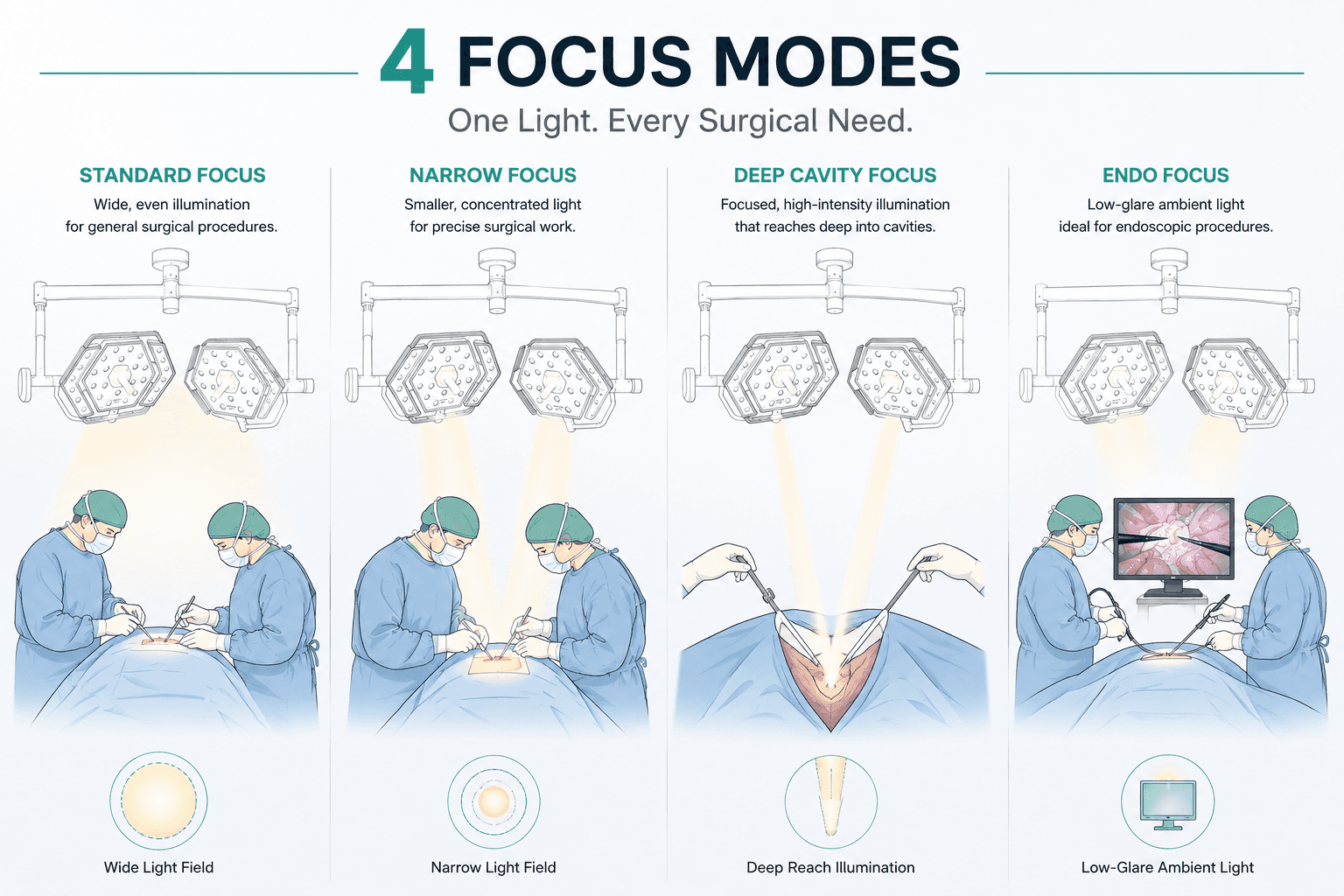
What Are the Different Focus Modes in Modern Surgical Theatre Lights?
What Are the Different Focus Modes in Modern Surgical Theatre Lights?

How Advanced MedTech Solutions Are Improving Surgical Precision and Efficiency
How Advanced MedTech Solutions Are Improving Surgical Precision and Efficiency

Products
Get in touch


info@matrixmedicals.in

+91 7304411451
+91 9821235552
Copyright © 2026 Matrix Medicals Pvt. Ltd., All rights reserved.
Products
Get in touch
info@matrixmedicals.in
+91 7304411451
+91 9821235552
Copyright © 2026 Matrix Medicals Pvt. Ltd., All rights reserved.
Contact Us
Contact Us
Contact Us