Shadow Management in Surgery: Why Modern OT Lights Still Matter
Shadow Management in Surgery: Why Modern OT Lights Still Matter

Share:
Share
Operating rooms have changed quite a bit over the years. These days, many hospitals are relying on robotic systems, laparoscopic tools, smarter imaging technologies, and integrated OT set ups to help achieve better surgical results. With all these upgrades, a lot of procedures have become more precise, and also more efficient.
No matter how advanced the tech becomes, surgeons really need a clean clear sight of the surgical area. Shadows made by hand, instruments or even equipment can make it harder to notice crucial details during the procedure, and they can also break the workflow rhythm.
That is why OT lights keep being an essential part of every operating room. Modern lighting setups are made, so shadows get less noticeable, and the lighting stays steady where it matters most. Even with all the present technology in surgical places, solid lighting remains a core factor for supporting visibility, precision and smoother procedures.
What Causes Surgical Shadows?
Surgical shadows are a common thing in a lot of procedures. They usually happen when surgeons' hands, instruments or other gear block the light, so it never quite gets to the surgical site. And when multiple clinicians are involved, you can notice shadow formation becomes more obvious, almost like it builds up.
Also, shadows are more likely during deep cavity surgeries, since it is harder for light to reach the actual treatment area. In hybrid OTs, the imaging systems and extra equipment around the operating table can mess with what you see even more.
Even with the newest cameras and visualization technologies, surgeons still lean on direct illumination. When the shadows aren’t handled well, they can cause a bunch of back-and-forth light tweaks, mess with the workflow, and quietly turn the procedure into a harder job for the surgical team.
Why Surgical Visibility Is More Important Than Ever
Operating rooms today are different from what they looked like just a few years back. Robotic-assisted surgery, minimally invasive procedures, hybrid OTs, and multidisciplinary surgical teams, have started showing up more and more across lots of hospitals.
Even though these technologies have helped the surgeries themselves get smoother or faster, one core thing really hasn’t budged: surgeons still require a clear view of the operating area. And with procedures getting more complex, plus more devices and instruments crowding the OT, keeping a solid visibility level becomes that much more critical.
Hospitals are putting a lot of money into advanced imaging and display systems, but, they tend to work best when they’re backed by right lighting. With modern OT lights, you get steady illumination across different stages of a procedure, so it’s easier for the surgical team to function efficiently and with real confidence.
Why Modern OT Lights Remain Essential in Today's Advanced Operating Rooms
The Common Misconception
As robotic assisted surgery gets increasingly common, there’s a growing belief that the advanced OT lights are no longer critical. Since surgeons can view the surgical site through high-definition cameras and imaging systems, lighting is sometimes seen as a secondary requirement.
The Reality
OT lights continue to play an important role throughout the procedure. While robotic systems provide detailed visualisation, they cannot replace the need for proper illumination inside the operating room.
OT lights continue to support:
Patient preparation and positioning
Equipment setup before surgery
Open surgical stages
Emergency conversion procedures
Better coordination among the surgical team
Today, hospitals are increasingly looking at OT lighting as part of a larger surgical ecosystem that includes robotics, endoscopic imaging, and OR integration technologies.
How Matrix Medicals Supports Modern Operating Rooms
At Matrix Medicals, we understand that good surgical lighting isn’t only about how bright things look. In a modern operating room it’s also about steady illumination, fewer shadow issues, clear tissue visibility, and a smoother workflow that the team can rely on.
Our OT lighting solutions are built around practical features like adjustable light intensity, shadow management technology, high color rendering, and controls that feel easy to use, so surgeons can match the lighting to different procedures. Plus, with choices that fit well with today’s OT infrastructure and the operating room surroundings, Matrix Medicals keeps helping hospitals build more efficient, and more future ready, surgical spaces.
How Modern OT Lights Address Shadow Management Challenges
Over the years, OT lights have been evolving to tackle one of the usual problems in surgery, shadows. Nowadays lighting setups are made so surgeons can keep a crisp view of the surgical area, even if more people show up and instruments are moving around.
Shadow Dilution Technology
Modern OT lights often rely on several light sources shining from various angles. That way shadow areas shrink, when a hand, an instrument, or even equipment gets in the way between the lamp and the surgical field, so the view stays steadier.
Depth Illumination
In deep cavity procedures, the light has to reach places that are a bit difficult to see. Good depth illumination keeps visibility stable and doesn’t force constant readjustments.
Adjustable Focus and High CRI
Surgeons can tune the light for the specific steps, and a high Color Rendering Index (CRI) makes tissues look more natural, so it is easier to differentiate.
Industry Perspective
Today, hospitals expect OT lights to do more than provide brightness. They are expected to support visibility, reduce interruptions, and fit seamlessly into modern surgical workflows.
Conclusion
Surgical technology will keep moving forward, but the need for clear visibility inside the operating room won’t change much. Even as procedures become more refined and streamlined, the OT lights still matter a lot. They help with things like reducing shadows and supporting more fluid workflows, so the modern lighting setup stays a basic part of nearly every surgical environment.
For hospitals that are thinking about OT upgrades, lighting should be weighed along with robotics, imaging systems, and OR integration solutions. Picking the proper lighting system can create a real impact on day-to-day surgical work. When you’re looking for what could be the best OT light in India, you should give the same attention to shadow management, illumination quality, dependability, and how easy it feels to use.
Operating rooms have changed quite a bit over the years. These days, many hospitals are relying on robotic systems, laparoscopic tools, smarter imaging technologies, and integrated OT set ups to help achieve better surgical results. With all these upgrades, a lot of procedures have become more precise, and also more efficient.
No matter how advanced the tech becomes, surgeons really need a clean clear sight of the surgical area. Shadows made by hand, instruments or even equipment can make it harder to notice crucial details during the procedure, and they can also break the workflow rhythm.
That is why OT lights keep being an essential part of every operating room. Modern lighting setups are made, so shadows get less noticeable, and the lighting stays steady where it matters most. Even with all the present technology in surgical places, solid lighting remains a core factor for supporting visibility, precision and smoother procedures.
What Causes Surgical Shadows?
Surgical shadows are a common thing in a lot of procedures. They usually happen when surgeons' hands, instruments or other gear block the light, so it never quite gets to the surgical site. And when multiple clinicians are involved, you can notice shadow formation becomes more obvious, almost like it builds up.
Also, shadows are more likely during deep cavity surgeries, since it is harder for light to reach the actual treatment area. In hybrid OTs, the imaging systems and extra equipment around the operating table can mess with what you see even more.
Even with the newest cameras and visualization technologies, surgeons still lean on direct illumination. When the shadows aren’t handled well, they can cause a bunch of back-and-forth light tweaks, mess with the workflow, and quietly turn the procedure into a harder job for the surgical team.
Why Surgical Visibility Is More Important Than Ever
Operating rooms today are different from what they looked like just a few years back. Robotic-assisted surgery, minimally invasive procedures, hybrid OTs, and multidisciplinary surgical teams, have started showing up more and more across lots of hospitals.
Even though these technologies have helped the surgeries themselves get smoother or faster, one core thing really hasn’t budged: surgeons still require a clear view of the operating area. And with procedures getting more complex, plus more devices and instruments crowding the OT, keeping a solid visibility level becomes that much more critical.
Hospitals are putting a lot of money into advanced imaging and display systems, but, they tend to work best when they’re backed by right lighting. With modern OT lights, you get steady illumination across different stages of a procedure, so it’s easier for the surgical team to function efficiently and with real confidence.
Why Modern OT Lights Remain Essential in Today's Advanced Operating Rooms
The Common Misconception
As robotic assisted surgery gets increasingly common, there’s a growing belief that the advanced OT lights are no longer critical. Since surgeons can view the surgical site through high-definition cameras and imaging systems, lighting is sometimes seen as a secondary requirement.
The Reality
OT lights continue to play an important role throughout the procedure. While robotic systems provide detailed visualisation, they cannot replace the need for proper illumination inside the operating room.
OT lights continue to support:
Patient preparation and positioning
Equipment setup before surgery
Open surgical stages
Emergency conversion procedures
Better coordination among the surgical team
Today, hospitals are increasingly looking at OT lighting as part of a larger surgical ecosystem that includes robotics, endoscopic imaging, and OR integration technologies.
How Matrix Medicals Supports Modern Operating Rooms
At Matrix Medicals, we understand that good surgical lighting isn’t only about how bright things look. In a modern operating room it’s also about steady illumination, fewer shadow issues, clear tissue visibility, and a smoother workflow that the team can rely on.
Our OT lighting solutions are built around practical features like adjustable light intensity, shadow management technology, high color rendering, and controls that feel easy to use, so surgeons can match the lighting to different procedures. Plus, with choices that fit well with today’s OT infrastructure and the operating room surroundings, Matrix Medicals keeps helping hospitals build more efficient, and more future ready, surgical spaces.
How Modern OT Lights Address Shadow Management Challenges
Over the years, OT lights have been evolving to tackle one of the usual problems in surgery, shadows. Nowadays lighting setups are made so surgeons can keep a crisp view of the surgical area, even if more people show up and instruments are moving around.
Shadow Dilution Technology
Modern OT lights often rely on several light sources shining from various angles. That way shadow areas shrink, when a hand, an instrument, or even equipment gets in the way between the lamp and the surgical field, so the view stays steadier.
Depth Illumination
In deep cavity procedures, the light has to reach places that are a bit difficult to see. Good depth illumination keeps visibility stable and doesn’t force constant readjustments.
Adjustable Focus and High CRI
Surgeons can tune the light for the specific steps, and a high Color Rendering Index (CRI) makes tissues look more natural, so it is easier to differentiate.
Industry Perspective
Today, hospitals expect OT lights to do more than provide brightness. They are expected to support visibility, reduce interruptions, and fit seamlessly into modern surgical workflows.
Conclusion
Surgical technology will keep moving forward, but the need for clear visibility inside the operating room won’t change much. Even as procedures become more refined and streamlined, the OT lights still matter a lot. They help with things like reducing shadows and supporting more fluid workflows, so the modern lighting setup stays a basic part of nearly every surgical environment.
For hospitals that are thinking about OT upgrades, lighting should be weighed along with robotics, imaging systems, and OR integration solutions. Picking the proper lighting system can create a real impact on day-to-day surgical work. When you’re looking for what could be the best OT light in India, you should give the same attention to shadow management, illumination quality, dependability, and how easy it feels to use.
Share:
Share
RELATED ARTICLES
Read more from our blogs

Why Is Saline-Compatible Cautery Machine Important in Urological Surgery?
Why Is Saline-Compatible Cautery Machine Important in Urological Surgery?

How Medical Laboratory Technology Is Improving the Speed and Accuracy of Diagnostics
How Medical Laboratory Technology Is Improving the Speed and Accuracy of Diagnostics
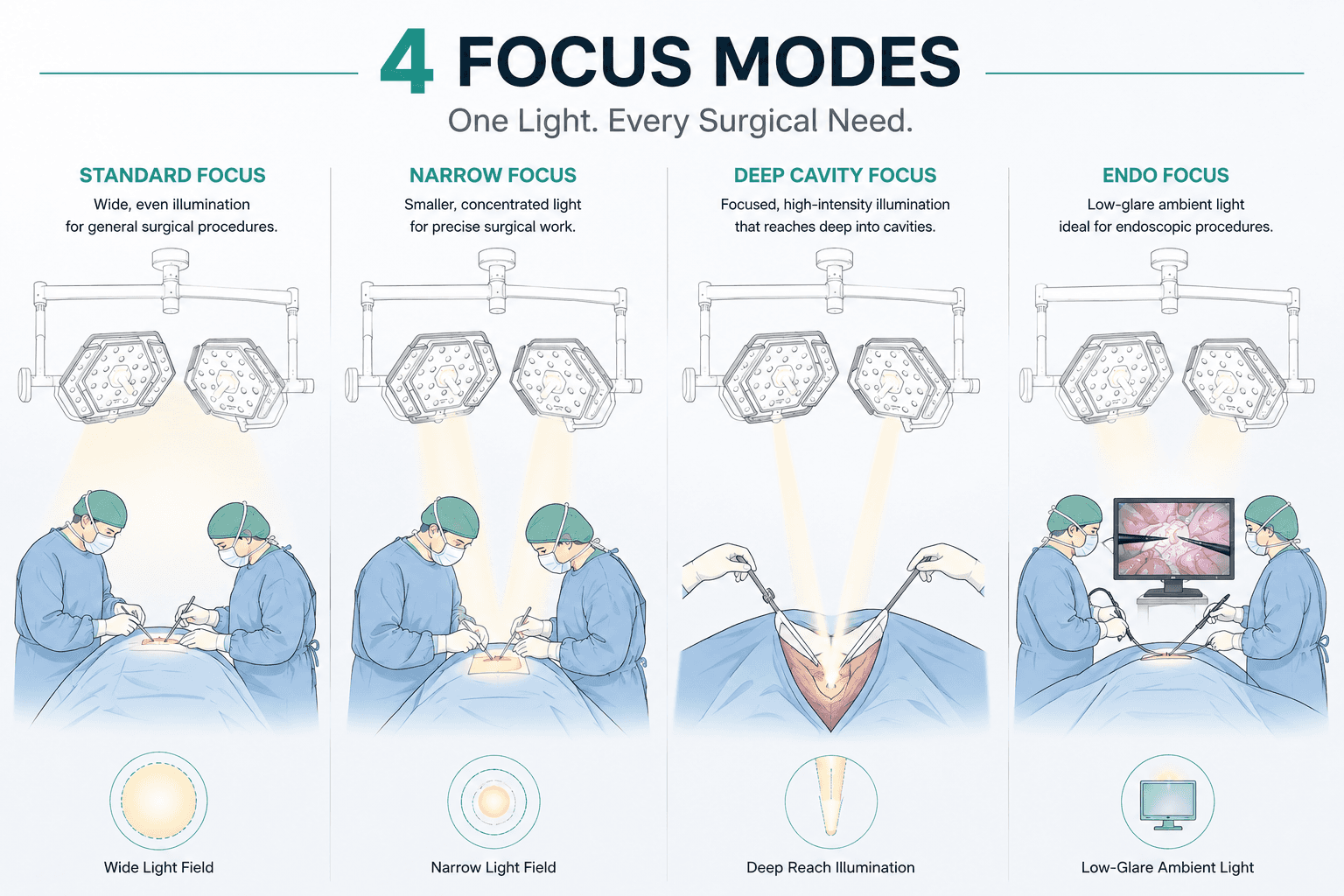
What Are the Different Focus Modes in Modern Surgical Theatre Lights?
What Are the Different Focus Modes in Modern Surgical Theatre Lights?

How Advanced MedTech Solutions Are Improving Surgical Precision and Efficiency
How Advanced MedTech Solutions Are Improving Surgical Precision and Efficiency

Products
Get in touch


info@matrixmedicals.in

+91 7304411451
+91 9821235552
Copyright © 2026 Matrix Medicals Pvt. Ltd., All rights reserved.
Products
Get in touch
info@matrixmedicals.in
+91 7304411451
+91 9821235552
Copyright © 2026 Matrix Medicals Pvt. Ltd., All rights reserved.
Contact Us
Contact Us
Contact Us