Why Responsible Disposal of Electronic Medical Equipment Matters for Sustainable Healthcare
Why Responsible Disposal of Electronic Medical Equipment Matters for Sustainable Healthcare

Share:
Share
Healthcare Technology Has a Lifecycle
Modern operating rooms run on technology, electrosurgical units, endoscopic imaging systems, OR integration platforms, led ot lights, and a growing range of electronically controlled medical equipments. All of this has made surgery safer and more precise. But every one of these devices is built to last a defined service life, and each will eventually need maintenance and, finally, decommissioning. Real sustainability in healthcare isn't just about buying advanced technology, it's about how well medical and surgical equipment is maintained while in use, and how responsibly it's managed once retired.
Understanding the Useful Life of Medical Equipment
Equipment doesn't become a waste just because it's old. It's useful life depends on:
Manufacturer specifications
Frequency and intensity of use
Maintenance history
Operating environment
Availability of spare parts
Technological obsolescence
Safety and performance requirements
There's a real difference between a device that still runs and a device that's still genuinely useful. A unit can function for years past its prime because of outdated technology, hard-to-find parts, or an inability to meet current safety standards. The WHO defines medical equipments as devices requiring calibration, maintenance, repair, user training, and decommissioning, lifecycle management from day one, not an afterthought.
Why Medical Equipment Maintenance Matters
Maintenance is what keeps sustainable equipment management moving, preventive maintenance, corrective maintenance, ongoing performance and safety inspections, calibration, and the timely replacement of components that are already worn out.
Done well, it can:
Reduce unexpected failures
Improve equipment reliability
Support patient and operator safety
Reduce unnecessary downtime
Extend the useful life of medical equipments
Delay premature replacement and waste generation
The WHO says that preventive maintenance programmes are built to extend the equipment life and lower the failure rates, especially when it comes to very heavily used equipments like electrosurgical generators, imaging systems, and surgical lighting.
The Role of After-Sales Service in Extending Equipment Life
Buying medical and surgical equipment is just the start. What happens after installation matters just as much, which is why Matrix Medicals works with Surgikare, its dedicated servicing partner.
With the right servicing in place, equipment can stay reliable for longer, where technically and clinically appropriate:
Regular servicing catches issues before they become major failures
Timely repairs and component replacement reduce unnecessary downtime
Strong service support helps facilities decide whether equipment should be repaired, upgraded, replaced, or decommissioned
This doesn't mean any device is guaranteed a longer lifespan, but effective servicing and maintenance genuinely help support reliability and extend useful life. This aligns with WHO guidance, which notes preventive maintenance can extend equipment life, and its 2025 health technology management guidance, which tracks equipment from receipt through decommissioning.

What Happens When Medical Equipment Reaches End-of-Life?
Every device eventually reaches a point where continued use no longer makes sense, it may be beyond economical repair, components may no longer be available, the technology may be outdated, or the manufacturer may have stopped supporting it.
At this stage, the equipment should be correctly decommissioned, not just discarded. That means checking if it can be repaired, refurbished, reused in some other setting, salvaged for parts, or moved through the right recycling and disposal pathways. The WHO treats decommissioning as a central piece of medical equipment management, and it deserves similar focus as procurement and routine everyday use.
The Environmental Impact of Improper E-Waste Disposal
Careless disposal of electronic equipment doesn't stay contained, it can contaminate soil and water, release hazardous substances into the air, and put people doing informal recycling at real health risk, while valuable recoverable materials are lost for good. This is directly relevant to healthcare: electronic medical equipments typically contain a mix of components, plastics, and metals that need careful end-of-life handling. Responsible disposal isn't just a compliance checkbox, it's a real part of environmental responsibility in healthcare.
Responsible Disposal and India's E-Waste Management Framework
India’s E-Waste (Management) Rules, 2022 sets out a framework for how electronic and electrical equipment should be collected, recycled, and treated once it’s no longer usable. In the healthcare space, this practically means that hospitals and clinics should send applicable equipment through authorized collection and recycling channels, not toward informal, or unregulated routes. They need to stay aligned with the rules that match the specific devices they’re dealing with.
As medical and surgical equipment increasingly incorporates electronic components, hospitals and surgical facilities need a clear understanding of their responsibilities once that equipment reaches end-of-life, and should work with authorized partners to ensure disposal is handled responsibly and in line with current regulations.
How Healthcare Facilities Can Manage Equipment More Sustainably
Sustainability starts well before disposal:
Maintain equipment regularly to maximize useful life
Keep service and maintenance records for lifecycle tracking
Repair when appropriate instead of replacing prematurely
Evaluate upgrades and refurbishment where feasible
Plan for end-of-life management before equipment becomes obsolete
Separate electronic waste from general waste
Use authorized recycling and disposal channels
Partner with reliable service and technical support providers
Sustainability is a lifecycle approach, not just an end-of-life activity. WHO's guidance recommends structured maintenance programmes and record-keeping, while its newer framework tracks equipment from procurement through decommissioning.
The Role of Medical Equipment Distributors in Sustainable Healthcare
Distributors of medical equipments can shape how sustainably that equipment is used, by helping facilities choose the right technology, supporting installation and training, facilitating after-sales service, encouraging preventive maintenance, and helping customers think through lifecycle decisions around repair, replacement, and decommissioning. Matrix Medicals, as a distributor of operating theatre and medical and surgical equipment, sees its role extending well beyond the point of sale, with Surgikare's after-sales support helping customers get the most reliable, extended use out of their investment.
Sustainable Healthcare Is a Lifecycle Responsibility
Medical equipment has a lifecycle, and taking that seriously means paying attention to every stage, procurement, installation, maintenance, servicing, replacement, and disposal. Extending useful life through proper maintenance, followed by responsible end-of-life management, is a meaningful part of building a more sustainable healthcare ecosystem, one that depends on hospitals, healthcare professionals, equipment suppliers, service partners, manufacturers, and authorized waste-management organisations all doing their part.
Healthcare Technology Has a Lifecycle
Modern operating rooms run on technology, electrosurgical units, endoscopic imaging systems, OR integration platforms, led ot lights, and a growing range of electronically controlled medical equipments. All of this has made surgery safer and more precise. But every one of these devices is built to last a defined service life, and each will eventually need maintenance and, finally, decommissioning. Real sustainability in healthcare isn't just about buying advanced technology, it's about how well medical and surgical equipment is maintained while in use, and how responsibly it's managed once retired.
Understanding the Useful Life of Medical Equipment
Equipment doesn't become a waste just because it's old. It's useful life depends on:
Manufacturer specifications
Frequency and intensity of use
Maintenance history
Operating environment
Availability of spare parts
Technological obsolescence
Safety and performance requirements
There's a real difference between a device that still runs and a device that's still genuinely useful. A unit can function for years past its prime because of outdated technology, hard-to-find parts, or an inability to meet current safety standards. The WHO defines medical equipments as devices requiring calibration, maintenance, repair, user training, and decommissioning, lifecycle management from day one, not an afterthought.
Why Medical Equipment Maintenance Matters
Maintenance is what keeps sustainable equipment management moving, preventive maintenance, corrective maintenance, ongoing performance and safety inspections, calibration, and the timely replacement of components that are already worn out.
Done well, it can:
Reduce unexpected failures
Improve equipment reliability
Support patient and operator safety
Reduce unnecessary downtime
Extend the useful life of medical equipments
Delay premature replacement and waste generation
The WHO says that preventive maintenance programmes are built to extend the equipment life and lower the failure rates, especially when it comes to very heavily used equipments like electrosurgical generators, imaging systems, and surgical lighting.
The Role of After-Sales Service in Extending Equipment Life
Buying medical and surgical equipment is just the start. What happens after installation matters just as much, which is why Matrix Medicals works with Surgikare, its dedicated servicing partner.
With the right servicing in place, equipment can stay reliable for longer, where technically and clinically appropriate:
Regular servicing catches issues before they become major failures
Timely repairs and component replacement reduce unnecessary downtime
Strong service support helps facilities decide whether equipment should be repaired, upgraded, replaced, or decommissioned
This doesn't mean any device is guaranteed a longer lifespan, but effective servicing and maintenance genuinely help support reliability and extend useful life. This aligns with WHO guidance, which notes preventive maintenance can extend equipment life, and its 2025 health technology management guidance, which tracks equipment from receipt through decommissioning.
What Happens When Medical Equipment Reaches End-of-Life?
Every device eventually reaches a point where continued use no longer makes sense, it may be beyond economical repair, components may no longer be available, the technology may be outdated, or the manufacturer may have stopped supporting it.
At this stage, the equipment should be correctly decommissioned, not just discarded. That means checking if it can be repaired, refurbished, reused in some other setting, salvaged for parts, or moved through the right recycling and disposal pathways. The WHO treats decommissioning as a central piece of medical equipment management, and it deserves similar focus as procurement and routine everyday use.
The Environmental Impact of Improper E-Waste Disposal
Careless disposal of electronic equipment doesn't stay contained, it can contaminate soil and water, release hazardous substances into the air, and put people doing informal recycling at real health risk, while valuable recoverable materials are lost for good. This is directly relevant to healthcare: electronic medical equipments typically contain a mix of components, plastics, and metals that need careful end-of-life handling. Responsible disposal isn't just a compliance checkbox, it's a real part of environmental responsibility in healthcare.
Responsible Disposal and India's E-Waste Management Framework
India’s E-Waste (Management) Rules, 2022 sets out a framework for how electronic and electrical equipment should be collected, recycled, and treated once it’s no longer usable. In the healthcare space, this practically means that hospitals and clinics should send applicable equipment through authorized collection and recycling channels, not toward informal, or unregulated routes. They need to stay aligned with the rules that match the specific devices they’re dealing with.
As medical and surgical equipment increasingly incorporates electronic components, hospitals and surgical facilities need a clear understanding of their responsibilities once that equipment reaches end-of-life, and should work with authorized partners to ensure disposal is handled responsibly and in line with current regulations.
How Healthcare Facilities Can Manage Equipment More Sustainably
Sustainability starts well before disposal:
Maintain equipment regularly to maximize useful life
Keep service and maintenance records for lifecycle tracking
Repair when appropriate instead of replacing prematurely
Evaluate upgrades and refurbishment where feasible
Plan for end-of-life management before equipment becomes obsolete
Separate electronic waste from general waste
Use authorized recycling and disposal channels
Partner with reliable service and technical support providers
Sustainability is a lifecycle approach, not just an end-of-life activity. WHO's guidance recommends structured maintenance programmes and record-keeping, while its newer framework tracks equipment from procurement through decommissioning.
The Role of Medical Equipment Distributors in Sustainable Healthcare
Distributors of medical equipments can shape how sustainably that equipment is used, by helping facilities choose the right technology, supporting installation and training, facilitating after-sales service, encouraging preventive maintenance, and helping customers think through lifecycle decisions around repair, replacement, and decommissioning. Matrix Medicals, as a distributor of operating theatre and medical and surgical equipment, sees its role extending well beyond the point of sale, with Surgikare's after-sales support helping customers get the most reliable, extended use out of their investment.
Sustainable Healthcare Is a Lifecycle Responsibility
Medical equipment has a lifecycle, and taking that seriously means paying attention to every stage, procurement, installation, maintenance, servicing, replacement, and disposal. Extending useful life through proper maintenance, followed by responsible end-of-life management, is a meaningful part of building a more sustainable healthcare ecosystem, one that depends on hospitals, healthcare professionals, equipment suppliers, service partners, manufacturers, and authorized waste-management organisations all doing their part.
Share:
Share
RELATED ARTICLES
Read more from our blogs
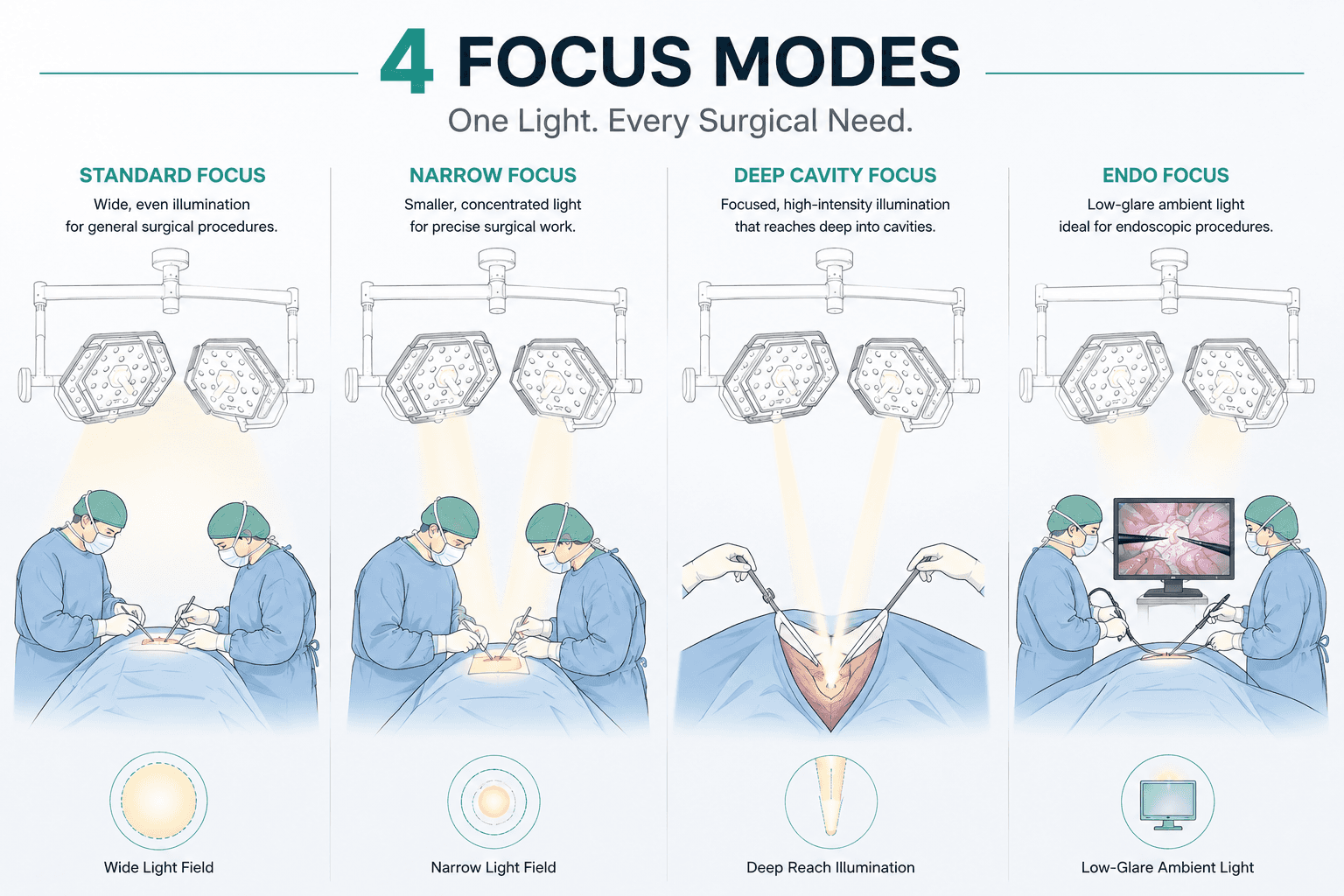
What Are the Different Focus Modes in Modern Surgical Theatre Lights?
What Are the Different Focus Modes in Modern Surgical Theatre Lights?

How Advanced MedTech Solutions Are Improving Surgical Precision and Efficiency
How Advanced MedTech Solutions Are Improving Surgical Precision and Efficiency

How Hospitals Should Evaluate Medical Equipment Before Procurement
How Hospitals Should Evaluate Medical Equipment Before Procurement

C-Arm Compatible OT Tables: What Hospitals Should Check Before Buying
C-Arm Compatible OT Tables: What Hospitals Should Check Before Buying

Products
Get in touch


info@matrixmedicals.in

+91 7304411451
+91 9821235552
Copyright © 2026 Matrix Medicals Pvt. Ltd., All rights reserved.
Products
Get in touch
info@matrixmedicals.in
+91 7304411451
+91 9821235552
Copyright © 2026 Matrix Medicals Pvt. Ltd., All rights reserved.
Contact Us
Contact Us
Contact Us