Why OR Integration Is Emerging as the Next Big Trend in Indian Hospitals
Why OR Integration Is Emerging as the Next Big Trend in Indian Hospitals

Share:
Share
Operating rooms in Indian hospitals are changing real fast, and you can feel it day by day. As surgeries become more advanced and technology-driven, hospitals now need setups that work together smoothly, not just separately doing their own thing. At the same time, India’s MedTech industry is also moving towards advanced medical equipment and smarter hospital infrastructure. In fact, India’s dependence on imported medical equipment has reduced from nearly 90–95% to around 60–65% in recent years. This shift is also driving the demand for OR Integration Systems, where imaging, OT lights, displays, cameras, and other surgical systems work together through one connected setup to improve efficiency inside the OT.
What Exactly Is OR Integration?
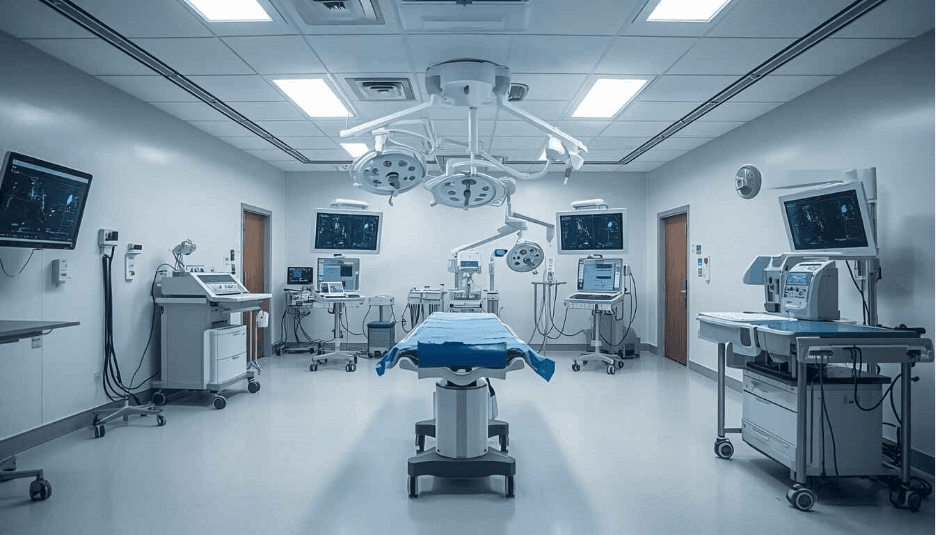
OR integration simply means connecting all the important systems inside an operating room so they can work together smoothly. This includes imaging systems, surgical displays, OT lights, cameras, recording systems, C-arms, ultrasound, audio-video systems, and even hospital information software.
Earlier, most operating rooms in India were set up using different equipment from different vendors, each working separately. This kind of thing often made the OT way more complicated to manage during surgeries. Nowadays hospitals are moving toward a more centralized workflow management approach, where everything can be kept under control and accessed in a more efficient way from one connected setup.
Solutions like EPMD’s OR Infinity support this by bringing imaging, visualization, patient vitals, diagnostic images and reports and audio-video systems into one control environment, sort of like a single command place. That helps with coordination and, in the end, reduces operational complexity inside the OT too.
Why OR Integration has become more important in Indian Hospitals
A. Rise of Multi-specialty and high volume hospitals
Hospitals are simply busier today than they were a few years back. More operations are happening every day, specially in big multi speciality hospitals. During a procedure, doctors now lean on a mix of imaging and visualization tools, and trying to manage each one separately can get messy and time consuming inside the OT.
B. Shift Toward Minimally invasive & image guided surgery
These days a bunch of surgery work rides on live imaging, view screens, recordings, and real time data being shared. OR integration helps tie it all together, so surgeons and OT staff can move through things more smoothly. Matrix already works in things like imaging, surgical lighting, energy systems, and overall OR integration solutions.
C. Need for Better workflow & ergonomics
A lot of classic OTs still end up with way too many cables, separate control panels, and bulky equipment placement. When ORs are more integrated, the whole OT tends to feel more organized and easier to maneuver during actual procedures, even when it gets hectic.
D. Digitisation of Surgical Infrastructure
Hospitals are also adopting systems for keeping records, teleconsultation, training, and remote co-operation. In practice they use solutions like EPMD’s OR Infinity, which has features such as DICOM compatibility, PACS VNA NAS type storage, plus conferencing, and multi display visualization, too.
The Indian MedTech Opportunity Behind OR Integration
India’s MedTech industry is slowly moving beyond basic disposables and low-tech medical equipment. Today, there is a much bigger focus on advanced OT infrastructure, connected operating rooms, and integrated surgical systems. According to recent industry reports, hospital equipment and surgical instruments are among the fastest-growing categories in Indian MedTech manufacturing.
At the same time, India is also seeing strong growth in “Make in India” medical device manufacturing, especially in higher-value capital equipment and integrated systems. This shift is creating new opportunities for Indian companies working in surgical infrastructure and OR integration.
Hospitals are no longer just looking at operating rooms as a bunch of separate devices, it’s more like they want a system that can keep working together smoothly, and also be managed more efficiently for the long haul.
That is where companies like Matrix Medicals come into the picture. With a “One Partner, One Responsibility” way of doing things, Matrix tries to build a connected OR ecosystem instead of leaving everything as standalone products, and that matches what the Indian MedTech industry seems to be moving toward right now.
Why Hospitals Are Moving Toward Unified OT Ecosystems
Hospitals today do not want the hassle of managing disconnected systems inside the OT. Since many operating rooms use devices from different vendors, interoperability becomes extremely important. When systems are unable to communicate smoothly with each other which leads to workflow issues.
So that’s why many hospitals are shifting toward unified OT ecosystems where everything can play together more smoothly. They want one side of accountability, better interoperability, upgrades that are easier, and long-term lifecycle support instead of constantly dealing with fragmented service coverage from different vendors.
Service has also become a major factor while investing in OT infrastructure. Hospitals now look beyond just the equipment and focus more on preventive servicing, training, upgrades, and long-term maintenance support.
This is also the approach Matrix follows by positioning the OT as a connected clinical ecosystem rather than just a group of standalone products.
Conclusion
OR Integration is no longer something hospitals are looking at only for the future. It is slowly becoming an important part of modern surgical infrastructure in India. As hospitals continue to modernize, there is a growing focus on better workflow, digital connectivity, operational efficiency, and smoother coordination inside the OT.
At the same time, India’s MedTech industry is also moving ahead, particularly in advanced OT infrastructure and linked surgical systems. For that reason, those integrated operating rooms are expected to become almost like a default feature within better healthcare facilities over the next few years.
As demand keeps climbing, Indian companies that build scalable but interoperable OT ecosystems are going to matter a lot in this change, especially since there is more attention on finding the best OR Integration System in India these days.
Operating rooms in Indian hospitals are changing real fast, and you can feel it day by day. As surgeries become more advanced and technology-driven, hospitals now need setups that work together smoothly, not just separately doing their own thing. At the same time, India’s MedTech industry is also moving towards advanced medical equipment and smarter hospital infrastructure. In fact, India’s dependence on imported medical equipment has reduced from nearly 90–95% to around 60–65% in recent years. This shift is also driving the demand for OR Integration Systems, where imaging, OT lights, displays, cameras, and other surgical systems work together through one connected setup to improve efficiency inside the OT.
What Exactly Is OR Integration?
OR integration simply means connecting all the important systems inside an operating room so they can work together smoothly. This includes imaging systems, surgical displays, OT lights, cameras, recording systems, C-arms, ultrasound, audio-video systems, and even hospital information software.
Earlier, most operating rooms in India were set up using different equipment from different vendors, each working separately. This kind of thing often made the OT way more complicated to manage during surgeries. Nowadays hospitals are moving toward a more centralized workflow management approach, where everything can be kept under control and accessed in a more efficient way from one connected setup.
Solutions like EPMD’s OR Infinity support this by bringing imaging, visualization, patient vitals, diagnostic images and reports and audio-video systems into one control environment, sort of like a single command place. That helps with coordination and, in the end, reduces operational complexity inside the OT too.
Why OR Integration has become more important in Indian Hospitals
A. Rise of Multi-specialty and high volume hospitals
Hospitals are simply busier today than they were a few years back. More operations are happening every day, specially in big multi speciality hospitals. During a procedure, doctors now lean on a mix of imaging and visualization tools, and trying to manage each one separately can get messy and time consuming inside the OT.
B. Shift Toward Minimally invasive & image guided surgery
These days a bunch of surgery work rides on live imaging, view screens, recordings, and real time data being shared. OR integration helps tie it all together, so surgeons and OT staff can move through things more smoothly. Matrix already works in things like imaging, surgical lighting, energy systems, and overall OR integration solutions.
C. Need for Better workflow & ergonomics
A lot of classic OTs still end up with way too many cables, separate control panels, and bulky equipment placement. When ORs are more integrated, the whole OT tends to feel more organized and easier to maneuver during actual procedures, even when it gets hectic.
D. Digitisation of Surgical Infrastructure
Hospitals are also adopting systems for keeping records, teleconsultation, training, and remote co-operation. In practice they use solutions like EPMD’s OR Infinity, which has features such as DICOM compatibility, PACS VNA NAS type storage, plus conferencing, and multi display visualization, too.
The Indian MedTech Opportunity Behind OR Integration
India’s MedTech industry is slowly moving beyond basic disposables and low-tech medical equipment. Today, there is a much bigger focus on advanced OT infrastructure, connected operating rooms, and integrated surgical systems. According to recent industry reports, hospital equipment and surgical instruments are among the fastest-growing categories in Indian MedTech manufacturing.
At the same time, India is also seeing strong growth in “Make in India” medical device manufacturing, especially in higher-value capital equipment and integrated systems. This shift is creating new opportunities for Indian companies working in surgical infrastructure and OR integration.
Hospitals are no longer just looking at operating rooms as a bunch of separate devices, it’s more like they want a system that can keep working together smoothly, and also be managed more efficiently for the long haul.
That is where companies like Matrix Medicals come into the picture. With a “One Partner, One Responsibility” way of doing things, Matrix tries to build a connected OR ecosystem instead of leaving everything as standalone products, and that matches what the Indian MedTech industry seems to be moving toward right now.
Why Hospitals Are Moving Toward Unified OT Ecosystems
Hospitals today do not want the hassle of managing disconnected systems inside the OT. Since many operating rooms use devices from different vendors, interoperability becomes extremely important. When systems are unable to communicate smoothly with each other which leads to workflow issues.
So that’s why many hospitals are shifting toward unified OT ecosystems where everything can play together more smoothly. They want one side of accountability, better interoperability, upgrades that are easier, and long-term lifecycle support instead of constantly dealing with fragmented service coverage from different vendors.
Service has also become a major factor while investing in OT infrastructure. Hospitals now look beyond just the equipment and focus more on preventive servicing, training, upgrades, and long-term maintenance support.
This is also the approach Matrix follows by positioning the OT as a connected clinical ecosystem rather than just a group of standalone products.
Conclusion
OR Integration is no longer something hospitals are looking at only for the future. It is slowly becoming an important part of modern surgical infrastructure in India. As hospitals continue to modernize, there is a growing focus on better workflow, digital connectivity, operational efficiency, and smoother coordination inside the OT.
At the same time, India’s MedTech industry is also moving ahead, particularly in advanced OT infrastructure and linked surgical systems. For that reason, those integrated operating rooms are expected to become almost like a default feature within better healthcare facilities over the next few years.
As demand keeps climbing, Indian companies that build scalable but interoperable OT ecosystems are going to matter a lot in this change, especially since there is more attention on finding the best OR Integration System in India these days.
Article support
Frequently asked questions
Frequently asked questions
Frequently asked questions
What is OR Integration?
Why is OR Integration important in hospitals?
Which systems are included in an OR Integration setup?
How does OR Integration help surgeons?
How does Matrix support OR Integration in hospitals?
Share:
Share
RELATED ARTICLES
Read more from our blogs

How Medical Laboratory Technology Is Improving the Speed and Accuracy of Diagnostics
How Medical Laboratory Technology Is Improving the Speed and Accuracy of Diagnostics
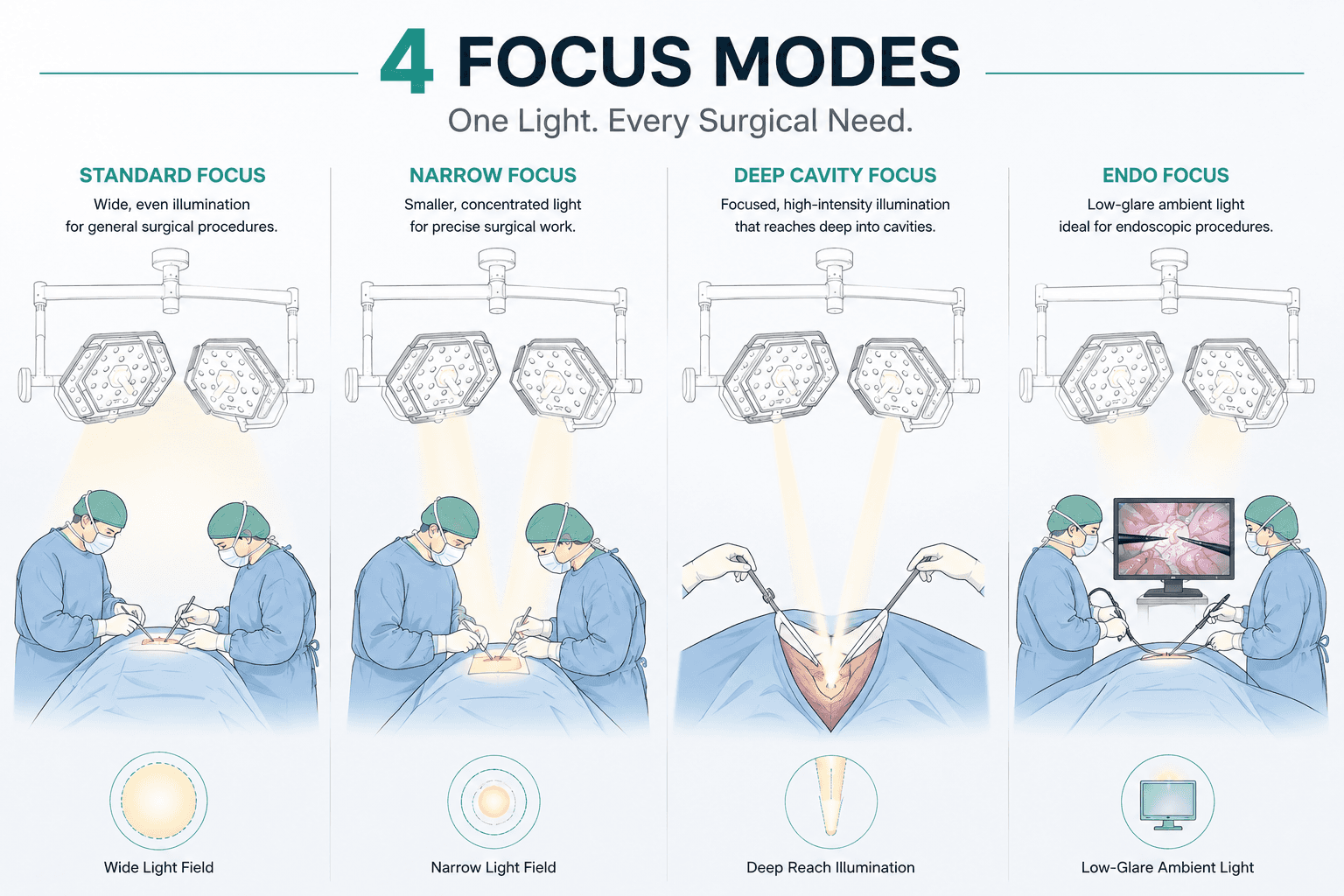
What Are the Different Focus Modes in Modern Surgical Theatre Lights?
What Are the Different Focus Modes in Modern Surgical Theatre Lights?

How Advanced MedTech Solutions Are Improving Surgical Precision and Efficiency
How Advanced MedTech Solutions Are Improving Surgical Precision and Efficiency

How Hospitals Should Evaluate Medical Equipment Before Procurement
How Hospitals Should Evaluate Medical Equipment Before Procurement
Products
Get in touch


info@matrixmedicals.in

+91 7304411451
+91 9821235552
Copyright © 2026 Matrix Medicals Pvt. Ltd., All rights reserved.
Products
Get in touch
info@matrixmedicals.in
+91 7304411451
+91 9821235552
Copyright © 2026 Matrix Medicals Pvt. Ltd., All rights reserved.
Contact Us
Contact Us
Contact Us