The Rise of "Make in India" Medical Devices: What Hospitals Need to Know
The Rise of "Make in India" Medical Devices: What Hospitals Need to Know

Share:
Share
Medical devices have become this essential part of modern healthcare now, helping hospitals deliver more decent patient care across departments. For many years though, a big share of these devices, like imaging systems and the electrosurgical generator used in operating rooms, were basically coming from overseas manufacturers.
While imported equipment gave access to advanced technology, it often brought higher costs, longer procurement cycles and a higher dependence on external support, so it was not exactly smooth. Today, that pattern is slowly shifting. With the Make in India initiative getting real traction, more hospitals are checking out locally manufactured medical devices that promise dependable quality, easy servicing and quicker support access.
As India's medical device industry continues to grow, hospitals have an opportunity to rethink how they source technology and build long-term value.
Understanding the "Make in India" Movement in Medical Devices
India’s medical device industry has come a long way now, from being dependent on imports. Over the past few years, government efforts like the Production Linked Incentive (PLI) Scheme have pushed companies to put money into local making and to broaden their skill sets. At the same time, the rise of MedTech parks, manufacturing clusters, and a more solid healthcare infrastructure has made things feel like a supportive place for growth.
The momentum is reflected in the figures. India’s medical device space was valued at around US$11 billion in 2022 and it is expected to climb to US$50 billion by 2030. With rising money put into research and development, Indian manufacturers are getting more serious about innovation, not only churning out product. So, as a result, India is gradually setting itself up as a dependable manufacturing base, and also as a budding hub for medical technology creation.
Why Hospitals Should Pay Attention to Indian-Made Medical Devices
Improved Availability and Faster Service
One of the biggest advantages for locally manufactured medical devices is that support becomes easier to reach. Hospitals don’t really have to rely on international supply chains for things like equipment, spare parts, or servicing anymore. And that usually means faster installations, less downtime, and also quicker help for maintenance when it’s actually needed.
Competitive Cost Efficiency
Medical devices made in India can help hospitals tune their spending better, without sacrificing those essential features and performance. Plus, beyond the lower upfront acquisition costs, having service nearby and spare parts that are locally available can really help bring down the total cost of ownership over time.
Compliance and Quality Standards
Quality standards have improved a lot across the Indian medical device industry. A number of manufacturers comply with CDSCO rules and they also hold certifications like ISO 13485, and CE marking. This increased attention to quality has really helped Indian products gain more acceptance not only inside India but also in foreign markets. The industry has become less tied to imported medical equipment over the past few years, and that change is visible.
The Growing Strength of Indian Surgical Equipment Manufacturing
Not long ago, hospitals that wanted advanced surgical equipment would often end up relying on imported brands. Now, that situation is slowly starting to shift. Indian manufacturers are offering a broader set of products for modern operating rooms, like OT lights, operating tables, endoscopic imaging systems, electrosurgical equipment, and OR integration solutions.
This change really matters because it isn’t just about basic, low-level products anymore. A lot of Indian companies are putting money into product development, and they are bringing newer technologies to the market, in a way that follows how surgeons and healthcare facilities are evolving. The BCG report also points out hospital and surgical instruments as one of the major spaces where local manufacturing can help lower import dependence.
As a result, hospitals have more options when it comes to sourcing surgical equipment without relying entirely on overseas manufacturers.
How Matrix Medicals Supports the "Make in India" Vision
India’s medical device industry keeps growing, and a lot of the support comes from companies that are putting money into local manufacturing, product development, and building long-term service muscle. Matrix Medicals is one of those players helping this change along, mainly by offering operating room solutions that fit what modern healthcare facilities need, day to day.
In their portfolio, you’ll find OT lights, operating tables, electrosurgical systems, endoscopic imaging systems, and operating room integration solutions. With that wide selection of surgical and operating room technologies, companies like Matrix Medicals make it easier for hospitals to get equipment that’s locally available, while still being supported by technical assistance and service expertise.
As more Indian manufacturers strengthen their manufacturing and R&D capabilities, hospitals are gaining access to reliable alternatives across multiple product categories. This gradual shift is helping reduce dependence on imported technologies while supporting the broader goal of building a stronger medical device ecosystem in India.
What Hospitals Should Evaluate Before Choosing a Medical Device Partner
When selecting a medical device partner, hospitals really should look past the product alone. Regulatory compliance ought to be a starting point, along with certifications that show adherence to recognized quality standards. Clinical performance, reliability, and consistent results in everyday use matter just as much.
Hospitals should also look at how sturdy the companies after sales support network are, what service engineers are available, and what kind of training gets offered to the clinical teams, so everything runs smoother later. Getting clarity on the manufacturer's technology roadmap, plus their commitment to ongoing product development, can give useful hints about their longer-term potential.
Finally, evaluating the total cost of ownership, including maintenance, service, upgrades, and equipment lifespan, can help hospitals make more informed decisions. Picking the right partner today can have a long-lasting effect on how smoothly things run, keeping equipment in service with fewer sudden downtimes, and on that future readiness.
Conclusion
The growth of Make in India medical devices shows just how far India’s healthcare manufacturing sector has reached in recent years. What used to be a market that depended heavily on imports now has a wider set of locally developed technologies that come with quality standards, service help, and continual product improvements.
For hospitals, this basically means more options when they are investing in operating room setups and surgical equipment. Whether it is an imaging system, an OT solution, or even the best operation theatre light for a particular clinical requirement, healthcare providers can now more easily look to Indian manufacturers for dependable and cost-effective options. And as the industry keeps shifting, local manufacturing is set to play an even bigger role, supporting what healthcare delivery will need next.
Medical devices have become this essential part of modern healthcare now, helping hospitals deliver more decent patient care across departments. For many years though, a big share of these devices, like imaging systems and the electrosurgical generator used in operating rooms, were basically coming from overseas manufacturers.
While imported equipment gave access to advanced technology, it often brought higher costs, longer procurement cycles and a higher dependence on external support, so it was not exactly smooth. Today, that pattern is slowly shifting. With the Make in India initiative getting real traction, more hospitals are checking out locally manufactured medical devices that promise dependable quality, easy servicing and quicker support access.
As India's medical device industry continues to grow, hospitals have an opportunity to rethink how they source technology and build long-term value.
Understanding the "Make in India" Movement in Medical Devices
India’s medical device industry has come a long way now, from being dependent on imports. Over the past few years, government efforts like the Production Linked Incentive (PLI) Scheme have pushed companies to put money into local making and to broaden their skill sets. At the same time, the rise of MedTech parks, manufacturing clusters, and a more solid healthcare infrastructure has made things feel like a supportive place for growth.
The momentum is reflected in the figures. India’s medical device space was valued at around US$11 billion in 2022 and it is expected to climb to US$50 billion by 2030. With rising money put into research and development, Indian manufacturers are getting more serious about innovation, not only churning out product. So, as a result, India is gradually setting itself up as a dependable manufacturing base, and also as a budding hub for medical technology creation.
Why Hospitals Should Pay Attention to Indian-Made Medical Devices
Improved Availability and Faster Service
One of the biggest advantages for locally manufactured medical devices is that support becomes easier to reach. Hospitals don’t really have to rely on international supply chains for things like equipment, spare parts, or servicing anymore. And that usually means faster installations, less downtime, and also quicker help for maintenance when it’s actually needed.
Competitive Cost Efficiency
Medical devices made in India can help hospitals tune their spending better, without sacrificing those essential features and performance. Plus, beyond the lower upfront acquisition costs, having service nearby and spare parts that are locally available can really help bring down the total cost of ownership over time.
Compliance and Quality Standards
Quality standards have improved a lot across the Indian medical device industry. A number of manufacturers comply with CDSCO rules and they also hold certifications like ISO 13485, and CE marking. This increased attention to quality has really helped Indian products gain more acceptance not only inside India but also in foreign markets. The industry has become less tied to imported medical equipment over the past few years, and that change is visible.
The Growing Strength of Indian Surgical Equipment Manufacturing
Not long ago, hospitals that wanted advanced surgical equipment would often end up relying on imported brands. Now, that situation is slowly starting to shift. Indian manufacturers are offering a broader set of products for modern operating rooms, like OT lights, operating tables, endoscopic imaging systems, electrosurgical equipment, and OR integration solutions.
This change really matters because it isn’t just about basic, low-level products anymore. A lot of Indian companies are putting money into product development, and they are bringing newer technologies to the market, in a way that follows how surgeons and healthcare facilities are evolving. The BCG report also points out hospital and surgical instruments as one of the major spaces where local manufacturing can help lower import dependence.
As a result, hospitals have more options when it comes to sourcing surgical equipment without relying entirely on overseas manufacturers.
How Matrix Medicals Supports the "Make in India" Vision
India’s medical device industry keeps growing, and a lot of the support comes from companies that are putting money into local manufacturing, product development, and building long-term service muscle. Matrix Medicals is one of those players helping this change along, mainly by offering operating room solutions that fit what modern healthcare facilities need, day to day.
In their portfolio, you’ll find OT lights, operating tables, electrosurgical systems, endoscopic imaging systems, and operating room integration solutions. With that wide selection of surgical and operating room technologies, companies like Matrix Medicals make it easier for hospitals to get equipment that’s locally available, while still being supported by technical assistance and service expertise.
As more Indian manufacturers strengthen their manufacturing and R&D capabilities, hospitals are gaining access to reliable alternatives across multiple product categories. This gradual shift is helping reduce dependence on imported technologies while supporting the broader goal of building a stronger medical device ecosystem in India.
What Hospitals Should Evaluate Before Choosing a Medical Device Partner
When selecting a medical device partner, hospitals really should look past the product alone. Regulatory compliance ought to be a starting point, along with certifications that show adherence to recognized quality standards. Clinical performance, reliability, and consistent results in everyday use matter just as much.
Hospitals should also look at how sturdy the companies after sales support network are, what service engineers are available, and what kind of training gets offered to the clinical teams, so everything runs smoother later. Getting clarity on the manufacturer's technology roadmap, plus their commitment to ongoing product development, can give useful hints about their longer-term potential.
Finally, evaluating the total cost of ownership, including maintenance, service, upgrades, and equipment lifespan, can help hospitals make more informed decisions. Picking the right partner today can have a long-lasting effect on how smoothly things run, keeping equipment in service with fewer sudden downtimes, and on that future readiness.
Conclusion
The growth of Make in India medical devices shows just how far India’s healthcare manufacturing sector has reached in recent years. What used to be a market that depended heavily on imports now has a wider set of locally developed technologies that come with quality standards, service help, and continual product improvements.
For hospitals, this basically means more options when they are investing in operating room setups and surgical equipment. Whether it is an imaging system, an OT solution, or even the best operation theatre light for a particular clinical requirement, healthcare providers can now more easily look to Indian manufacturers for dependable and cost-effective options. And as the industry keeps shifting, local manufacturing is set to play an even bigger role, supporting what healthcare delivery will need next.
Share:
Share
RELATED ARTICLES
Read more from our blogs

Why Is Zero Positioning Important in Modern Operation Theatre Tables?
Why Is Zero Positioning Important in Modern Operation Theatre Tables?

Why Is Saline-Compatible Cautery Machine Important in Urological Surgery?
Why Is Saline-Compatible Cautery Machine Important in Urological Surgery?

How Medical Laboratory Technology Is Improving the Speed and Accuracy of Diagnostics
How Medical Laboratory Technology Is Improving the Speed and Accuracy of Diagnostics
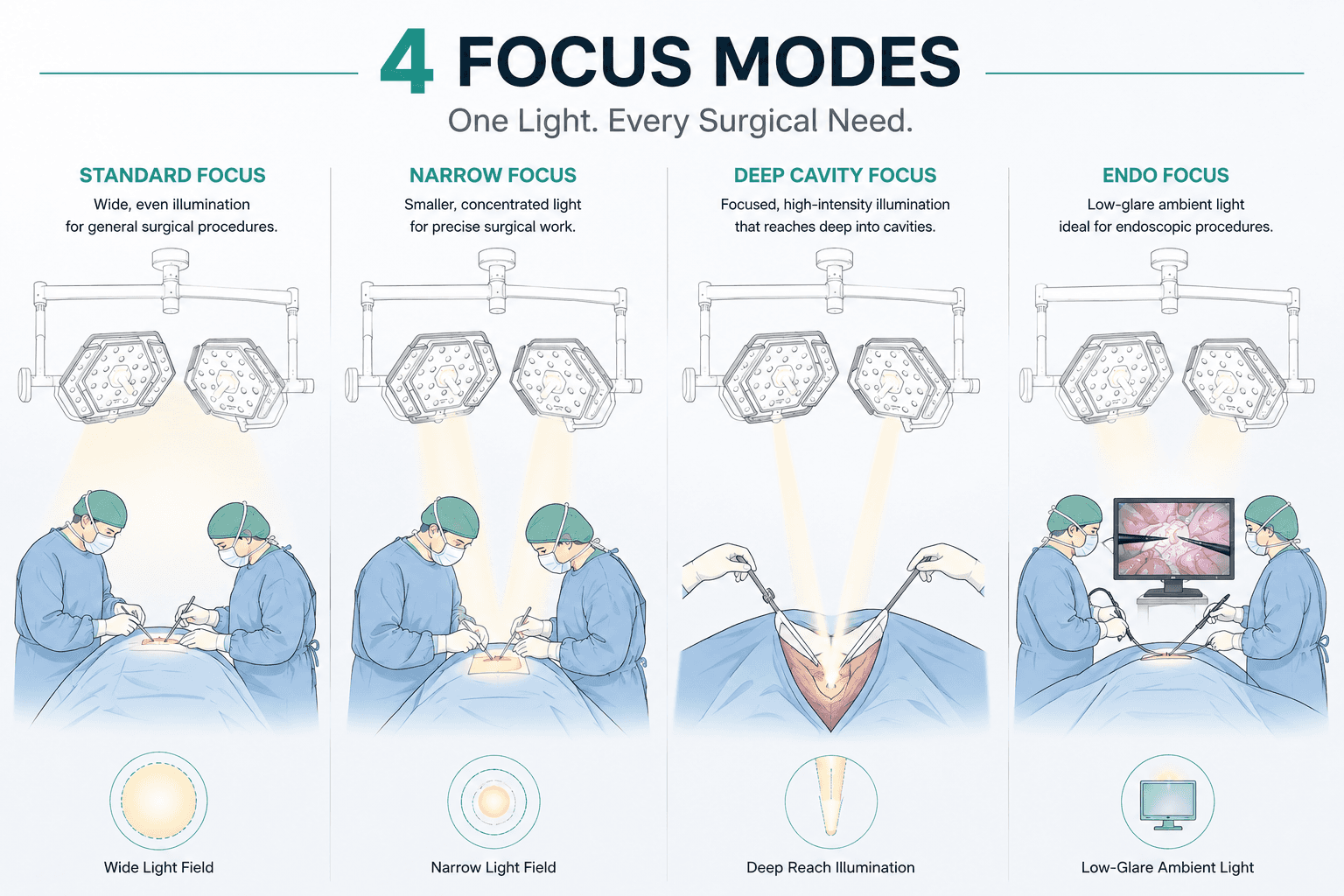
What Are the Different Focus Modes in Modern Surgical Theatre Lights?
What Are the Different Focus Modes in Modern Surgical Theatre Lights?

Products
Get in touch


info@matrixmedicals.in

+91 7304411451
+91 9821235552
Copyright © 2026 Matrix Medicals Pvt. Ltd., All rights reserved.
Products
Get in touch
info@matrixmedicals.in
+91 7304411451
+91 9821235552
Copyright © 2026 Matrix Medicals Pvt. Ltd., All rights reserved.
Contact Us
Contact Us
Contact Us