How to Choose the Best Operation Theatre Table for a Multi-Specialty Hospital
How to Choose the Best Operation Theatre Table for a Multi-Specialty Hospital

Share:
Share
Walk into any modern hospital today, and you'll notice that operating rooms are handling far more than just routine procedures. A single OT may be used for general surgery in the morning, an orthopedic case in the afternoon, and a laparoscopic procedure later in the day. This growing demand has made flexibility one of the most important factors when choosing OT equipment.
Among all the equipment in an operating room, the operation theatre table is often underestimated. However, surgeons and OT teams know that the right table can affect patient safety, day-to-day workflow efficiency, and the outcome of a procedure.
So picking the best operation theatre table is not only about scanning specifications or prices. It's about finding a solution that can support multiple specialties today while preparing the hospital for future advancements in surgery.
Why Multi-Specialty Hospitals Need Versatile OT Tables
Years ago, hospitals often purchased equipment for specific departments. Today, that approach is becoming less practical. Hospitals are expected to maximize the use of their operating rooms, reduce equipment costs, and improve patient turnover.
This is why multi-specialty hospitals are increasingly looking for OT tables that can adapt to different procedures.
A modern Operation theatre table in India should be capable of supporting:
General Surgery
Orthopaedics
Neurosurgery
Gynaecology
Urology
ENT and minimally invasive procedures
Rather than investing money into multiple specialty specific tables, a lot of hospitals go for a versatile setup that can transition between different surgical requirements with minimal hassle. It makes everything more efficient and also helps simplify the whole operating room management.
1. Evaluate the Surgical Specialties You Serve
The first question every hospital should ask is simple: What kinds of surgeries are performed most frequently?
Different specialties have different positioning requirements.
Orthopedic surgeons often need unrestricted access for C arm imaging. Gynecologists want lithotomy positioning set up just right, meanwhile neurosurgeons need exceptional stability and precise adjustment.
For example:
Specialty | Key Requirement |
Orthopaedics | C-arm compatibility |
Neurosurgery | Precise positioning |
Gynecology | Lithotomy positioning |
Urology | Trendelenburg positioning |
Laparoscopy | Stable patient support |
Figuring out your surgical mix helps narrow down what features are important, rather than paying for capabilities that hardly get used.
2. Prioritise Patient Positioning Capabilities
Patient positioning may sound like a simple requirement, but it affects surgical access and patient safety at the same time.
If the patient is placed poorly, procedures can take longer, the surgeon can feel uncomfortable, and there’s also a higher chance of postoperative complications.
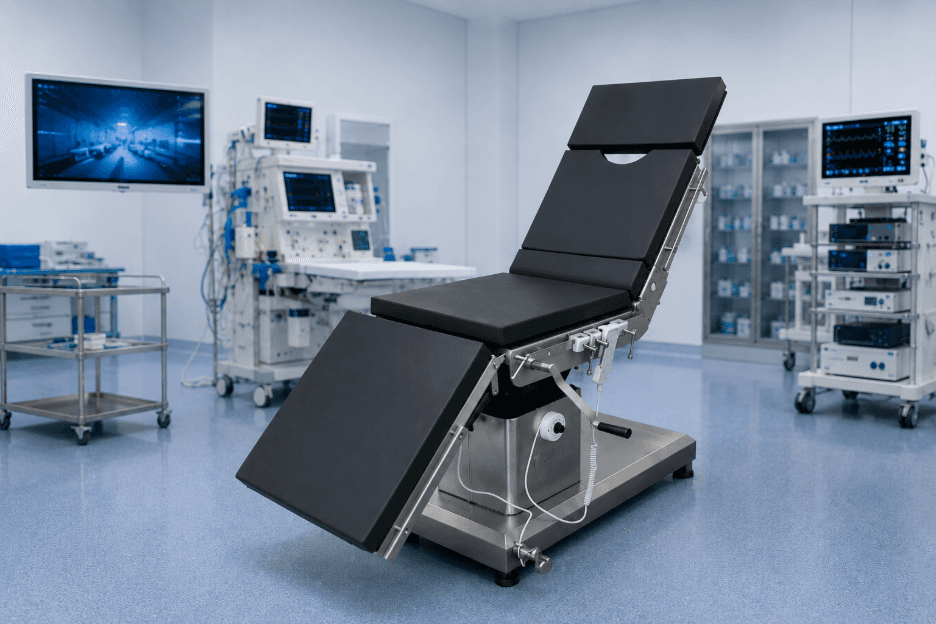
The Best Operation Theatre Table should offer smooth and reliable positioning options, including:
Trendelenburg and Reverse Trendelenburg
Lateral Tilt
Height Adjustment
Flex and Reflex Positioning
Chair Position
These movements let surgeons work in a comfortable way and access the surgical area in an effective manner.
As minimally invasive procedures keep growing, accurate positioning now matters even more than before.
3. Consider Imaging Compatibility
Modern surgeries depend heavily on imaging technologies.
Orthopaedic, urology, and vascular procedures often end up needing C-arm imaging while surgery is happening. But if the OT table limits the imaging access, then the whole procedure can become inefficient.
When evaluating an operation theatre table in India, hospitals should look for features such as:
Radiolucent tabletop sections
Longitudinal slide
Easy C-arm accessibility
Compatibility with advanced imaging systems
A table should complement imaging equipment rather than create obstacles for the surgical team.
4. Assess Ease of Operation and Automation
Technology has changed the way operating rooms function.
A lot of hospitals are moving away from manual hydraulic systems and investing into a fully automatic OT table, that brings more comfort and precision.
A fully automatic ot table provides several advantages:
Faster patient positioning
Reduced physical effort for OT staff
Improved workflow efficiency
Better support for complex procedures
Greater positioning accuracy
In crowded hospitals where every minute matters, these benefits can have a noticeable impact on overall OT productivity.
5. Look for Safety and Reliability Features
Reliability is one of the most crucial factors to look at when you purchase an OT table.
Nobody in a hospital wants equipment to fail mid procedures.
The Best Operation Theatre Table should include essential safety features such as:
Battery backup
Manual override system
Secure locking mechanisms
High weight-bearing capacity
Stable construction
Hospitals should pay close attention to service support and maintenance availability too, because reliable after-sales support tends to become just as important as the equipment itself.
6. Evaluate Ergonomics and Surgeon Comfort
Surgeries today are becoming increasingly complex and often last several hours.
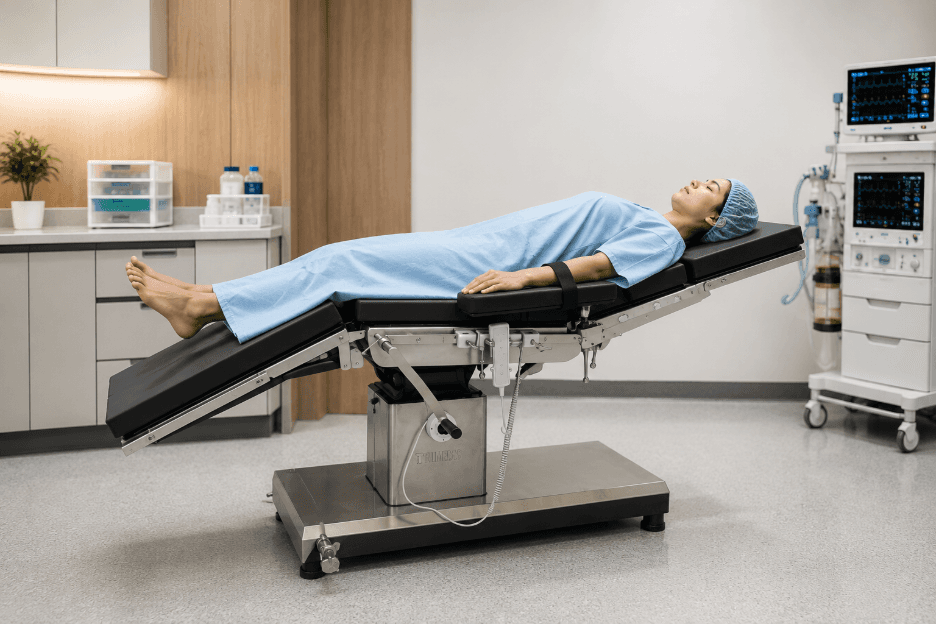
A thoughtfully designed OT table can make a noticeable difference to a surgeon's comfort and overall efficiency.
Features like smooth height adjusting, simple positioning controls, and better accessibility tend to lower the physical strain on the surgical team.
Better ergonomics can help with sharper concentration and a more efficient flow inside the operating room.
7. Consider Future Scalability and Integration
Healthcare technology is moving really fast.
A lot of hospitals are currently making connected operation rooms, where the surgical lights, imaging systems, screens, and OT tools work together without much friction.
So, when choosing the best operation theatre table, a hospital should look past their immediate requirements.
Will the table support future technologies?
Can it adapt to changing surgical demands?
Will it fit in smoothly with a more advanced operating room environment?
These questions are becoming increasingly important as hospitals keep modernizing their surgical infrastructure.
Questions Hospital Buyers Should Ask Before Purchasing
Before making a final decision, hospital administrators should ask:
✔ Does the table support multiple specialties?
✔ Is it compatible with imaging systems?
✔ Would a fully automatic ot table improve our workflow?
✔ Does it offer the positioning capabilities our surgeons need?
✔ Is after-sales support readily available?
✔ Will the table support future operating room technologies?
Final Thoughts
There isn't a single universal solution when it comes to choosing the Best Operation Theatre Table. Each hospital seems to have its own surgical requirements, patient volumes, and even future directions.
However, there is a steady factor: the right OT table should bring versatility, steadiness, safety, and enough flexibility to back evolving surgical practices.
As operating rooms become more advanced and interconnected, picking the right operation theatre table in India is no longer only an equipment purchase, it turns into a long-term commitment, that can support surgical efficiency, improve patient care, and help hospitals prepare for the future of surgery.
Walk into any modern hospital today, and you'll notice that operating rooms are handling far more than just routine procedures. A single OT may be used for general surgery in the morning, an orthopedic case in the afternoon, and a laparoscopic procedure later in the day. This growing demand has made flexibility one of the most important factors when choosing OT equipment.
Among all the equipment in an operating room, the operation theatre table is often underestimated. However, surgeons and OT teams know that the right table can affect patient safety, day-to-day workflow efficiency, and the outcome of a procedure.
So picking the best operation theatre table is not only about scanning specifications or prices. It's about finding a solution that can support multiple specialties today while preparing the hospital for future advancements in surgery.
Why Multi-Specialty Hospitals Need Versatile OT Tables
Years ago, hospitals often purchased equipment for specific departments. Today, that approach is becoming less practical. Hospitals are expected to maximize the use of their operating rooms, reduce equipment costs, and improve patient turnover.
This is why multi-specialty hospitals are increasingly looking for OT tables that can adapt to different procedures.
A modern Operation theatre table in India should be capable of supporting:
General Surgery
Orthopaedics
Neurosurgery
Gynaecology
Urology
ENT and minimally invasive procedures
Rather than investing money into multiple specialty specific tables, a lot of hospitals go for a versatile setup that can transition between different surgical requirements with minimal hassle. It makes everything more efficient and also helps simplify the whole operating room management.
1. Evaluate the Surgical Specialties You Serve
The first question every hospital should ask is simple: What kinds of surgeries are performed most frequently?
Different specialties have different positioning requirements.
Orthopedic surgeons often need unrestricted access for C arm imaging. Gynecologists want lithotomy positioning set up just right, meanwhile neurosurgeons need exceptional stability and precise adjustment.
For example:
Specialty | Key Requirement |
Orthopaedics | C-arm compatibility |
Neurosurgery | Precise positioning |
Gynecology | Lithotomy positioning |
Urology | Trendelenburg positioning |
Laparoscopy | Stable patient support |
Figuring out your surgical mix helps narrow down what features are important, rather than paying for capabilities that hardly get used.
2. Prioritise Patient Positioning Capabilities
Patient positioning may sound like a simple requirement, but it affects surgical access and patient safety at the same time.
If the patient is placed poorly, procedures can take longer, the surgeon can feel uncomfortable, and there’s also a higher chance of postoperative complications.
The Best Operation Theatre Table should offer smooth and reliable positioning options, including:
Trendelenburg and Reverse Trendelenburg
Lateral Tilt
Height Adjustment
Flex and Reflex Positioning
Chair Position
These movements let surgeons work in a comfortable way and access the surgical area in an effective manner.
As minimally invasive procedures keep growing, accurate positioning now matters even more than before.
3. Consider Imaging Compatibility
Modern surgeries depend heavily on imaging technologies.
Orthopaedic, urology, and vascular procedures often end up needing C-arm imaging while surgery is happening. But if the OT table limits the imaging access, then the whole procedure can become inefficient.
When evaluating an operation theatre table in India, hospitals should look for features such as:
Radiolucent tabletop sections
Longitudinal slide
Easy C-arm accessibility
Compatibility with advanced imaging systems
A table should complement imaging equipment rather than create obstacles for the surgical team.
4. Assess Ease of Operation and Automation
Technology has changed the way operating rooms function.
A lot of hospitals are moving away from manual hydraulic systems and investing into a fully automatic OT table, that brings more comfort and precision.
A fully automatic ot table provides several advantages:
Faster patient positioning
Reduced physical effort for OT staff
Improved workflow efficiency
Better support for complex procedures
Greater positioning accuracy
In crowded hospitals where every minute matters, these benefits can have a noticeable impact on overall OT productivity.
5. Look for Safety and Reliability Features
Reliability is one of the most crucial factors to look at when you purchase an OT table.
Nobody in a hospital wants equipment to fail mid procedures.
The Best Operation Theatre Table should include essential safety features such as:
Battery backup
Manual override system
Secure locking mechanisms
High weight-bearing capacity
Stable construction
Hospitals should pay close attention to service support and maintenance availability too, because reliable after-sales support tends to become just as important as the equipment itself.
6. Evaluate Ergonomics and Surgeon Comfort
Surgeries today are becoming increasingly complex and often last several hours.
A thoughtfully designed OT table can make a noticeable difference to a surgeon's comfort and overall efficiency.
Features like smooth height adjusting, simple positioning controls, and better accessibility tend to lower the physical strain on the surgical team.
Better ergonomics can help with sharper concentration and a more efficient flow inside the operating room.
7. Consider Future Scalability and Integration
Healthcare technology is moving really fast.
A lot of hospitals are currently making connected operation rooms, where the surgical lights, imaging systems, screens, and OT tools work together without much friction.
So, when choosing the best operation theatre table, a hospital should look past their immediate requirements.
Will the table support future technologies?
Can it adapt to changing surgical demands?
Will it fit in smoothly with a more advanced operating room environment?
These questions are becoming increasingly important as hospitals keep modernizing their surgical infrastructure.
Questions Hospital Buyers Should Ask Before Purchasing
Before making a final decision, hospital administrators should ask:
✔ Does the table support multiple specialties?
✔ Is it compatible with imaging systems?
✔ Would a fully automatic ot table improve our workflow?
✔ Does it offer the positioning capabilities our surgeons need?
✔ Is after-sales support readily available?
✔ Will the table support future operating room technologies?
Final Thoughts
There isn't a single universal solution when it comes to choosing the Best Operation Theatre Table. Each hospital seems to have its own surgical requirements, patient volumes, and even future directions.
However, there is a steady factor: the right OT table should bring versatility, steadiness, safety, and enough flexibility to back evolving surgical practices.
As operating rooms become more advanced and interconnected, picking the right operation theatre table in India is no longer only an equipment purchase, it turns into a long-term commitment, that can support surgical efficiency, improve patient care, and help hospitals prepare for the future of surgery.
Share:
Share
RELATED ARTICLES
Read more from our blogs

Why Is Zero Positioning Important in Modern Operation Theatre Tables?
Why Is Zero Positioning Important in Modern Operation Theatre Tables?

Why Is Saline-Compatible Cautery Machine Important in Urological Surgery?
Why Is Saline-Compatible Cautery Machine Important in Urological Surgery?

How Medical Laboratory Technology Is Improving the Speed and Accuracy of Diagnostics
How Medical Laboratory Technology Is Improving the Speed and Accuracy of Diagnostics
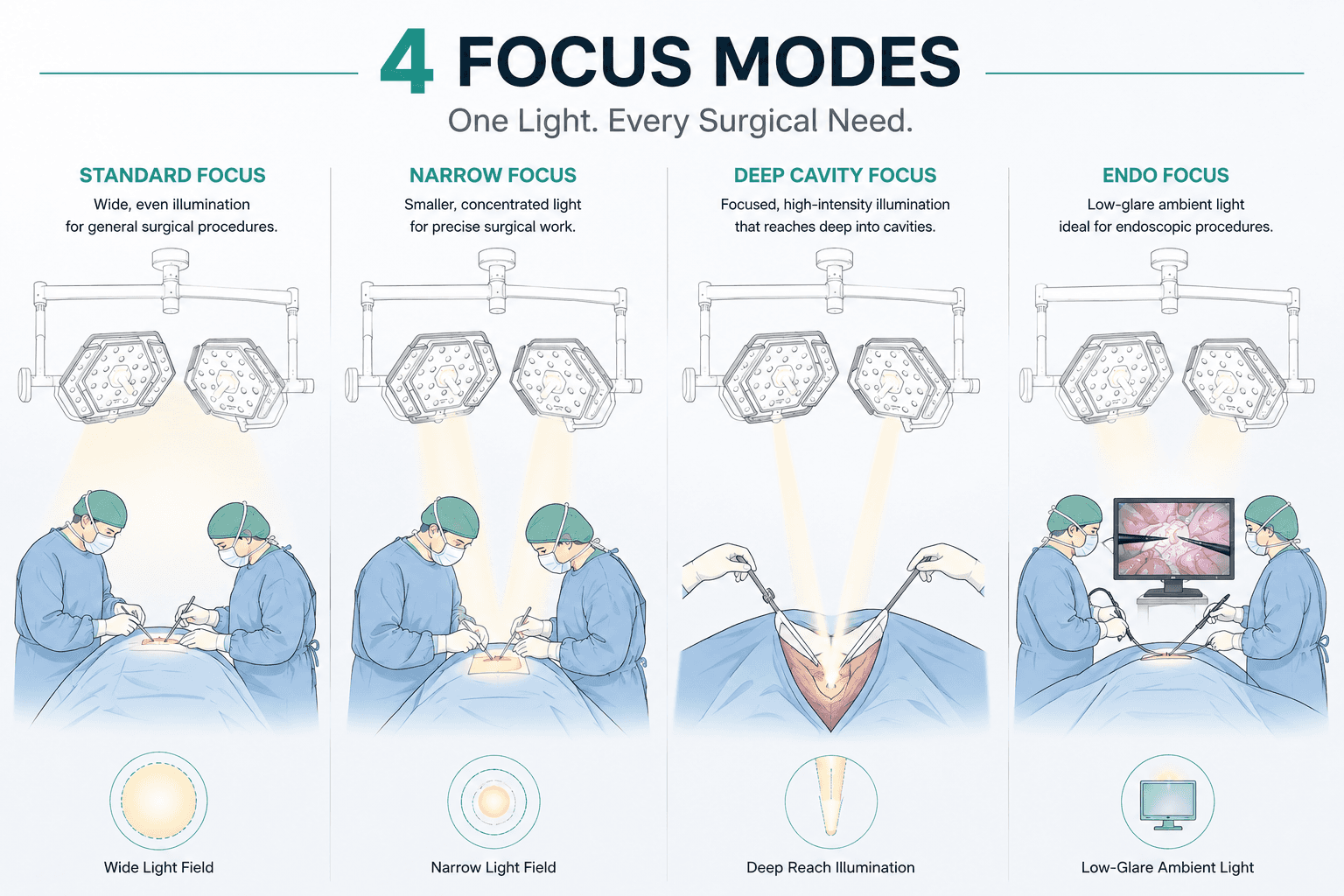
What Are the Different Focus Modes in Modern Surgical Theatre Lights?
What Are the Different Focus Modes in Modern Surgical Theatre Lights?

Products
Get in touch


info@matrixmedicals.in

+91 7304411451
+91 9821235552
Copyright © 2026 Matrix Medicals Pvt. Ltd., All rights reserved.
Products
Get in touch
info@matrixmedicals.in
+91 7304411451
+91 9821235552
Copyright © 2026 Matrix Medicals Pvt. Ltd., All rights reserved.
Contact Us
Contact Us
Contact Us