How Modern Operation Theatre Technology Is Transforming Surgical Outcomes
How Modern Operation Theatre Technology Is Transforming Surgical Outcomes

Share:
Share
Step into any modern operation theatre these days, and you’ll see how much it’s changed. Beside the surgical team, there are all these technologies that help make procedures feel smoother, more precise, and easier to manage day to day.
You’ll spot advanced surgical lights, an endoscopic imaging system, and a few other bits that give surgeons a sharper, clearer look at the surgical site. With that kind of visibility, teams work with more confidence, but also the whole OT coordination feels a bit less chaotic. In other words, collaboration tends to move faster, so procedures can be carried out more efficiently.
And as surgeries become even more specialized, technology keeps expanding its role. For many hospitals, buying into modern operation theatre technology isn’t only a simple upgrade anymore; it’s turning into a practical move toward better surgical outcomes and patient care.
Why Operation Theatre Technology Matters More Than Ever?
Over the years, surgery has gotten more advanced, and the whole process has changed a lot. Back then, many procedures needed big incisions, but now a lot of them can be done through small openings, using cameras and specialized tools. There are clear advantages for patients in this shift, but it also asks for a lot more precision while you are inside the operation theatre.
That’s where technology really steps in, because strong visualization, dependable equipment, and organized workflows support the surgical team so they can work faster and with more certainty, even when things get complicated. Hospitals are therefore investing in technologies that support better decision-making and smoother procedures.
What is important to remember is that technology does not perform surgery. The skill and experience of the surgical team remain central. In other words, technology just hands them the tools they need, so they can work at their best.
Advanced Surgical Visualization: Seeing More, Doing Better
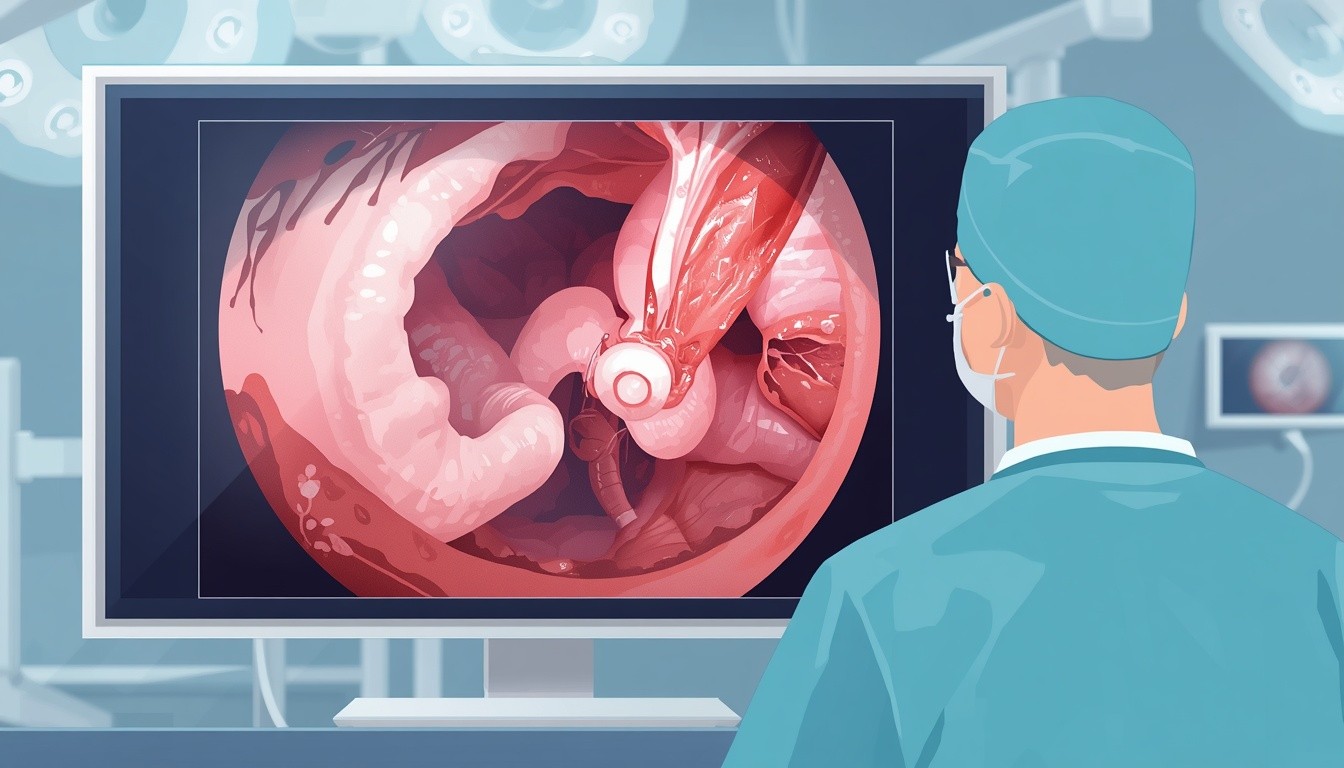
Clear visualization is one of the most important needs in modern surgery, especially when the procedures are minimally invasive, and surgeons have to rely on camera systems instead of direct sight. Even the smallest details can make a difference during the procedure.
That’s why a lot of hospitals are shifting away from conventional HD setups and toward Native 4K imaging. The extra clarity makes it easier for surgeons to separate tissues, spot blood vessels, and recognize anatomical structures a bit more smoothly. In practice, that means better precision when operating. On top of that, improved image quality can make lengthy procedures feel less demanding on the eyes.
As demand for advanced surgical visualization keeps rising, healthcare providers are investing more in imaging technologies that are meant to be steady and dependable. With its surgical visualization solutions, Matrix Medicals helps hospitals bring in those tools, so surgical teams can get a clearer view of the operative field, and work with more confidence too.
The Role of Surgical Lighting in Precision and Safety
Getting a clear view of the surgical area starts with solid lighting. Modern LED OT lights are built to deliver steady, shadow-free illumination, so the surgeon can notice those small, important details during the whole procedure.
Things like adjustable brightness, a steady color temperature, and high CRI output mean tissues and internal structures are easier to separate, not just vaguely but with better perception. This becomes especially handy when the operation runs long, because the visibility has to stay reliable from the beginning right to the end.
Today, surgical lighting is no longer seen as just another OT equipment. It plays a direct part in supporting precision, visibility, and day-to-day workflow inside the operating room. With its operation theatre lighting solutions, Matrix Medicals aids hospitals in building surgical settings where teams can work with more clarity, and with a steadier confidence.
Integrated OT Systems and Workflow Efficiency
In a lot of hospitals, one of the biggest challenges inside the operating room is keeping multiple systems going at once. Imaging devices, surgical displays, recording systems, and the documentation tools all end up needing to line up together during the procedure.
This is basically where integrated OT solutions start making a difference. Rather than running as totally separate systems, they can get connected through one single platform, so it becomes a lot simpler to reach and steer the information when it’s actually needed.
Solutions like the Infini ecosystem from Matrix Medicals are built with this kind of approach in mind. When you bring visualization together with connectivity, plus recording and workflow management, it helps form a more organized surgical setting. In the end, you get fewer stoppages, better coordination between the OT teams, and a more fluent flow throughout the whole procedure.
AI and the Future of Surgical Technology
Not long ago, features such as automatic image enhancement or smoke reduction sounded futuristic. Today, they are becoming part of modern surgical systems.
In the middle of procedures, things like surgical smoke, poor visibility, or shifting light conditions can make it hard to maintain a clear view. But newer imaging technologies can lend a hand in real time, upgrading the image quality while things are still happening, so the surgical area is easier to see, without having to stop the flow of the procedure.
And as operation theatres keep getting more connected, technology is also stepping in to help the teams handle information in a faster, cleaner way. Rather than replacing surgeons or the OT staff, these tools are meant to stand beside them, by lowering distractions and sharpening visibility exactly when it matters the most.
The future of surgical technology is not about machines taking over surgery. It is about giving surgical teams better tools to do their work.
The Future of Surgical Outcomes: Technology, Integration, and Industry Innovation
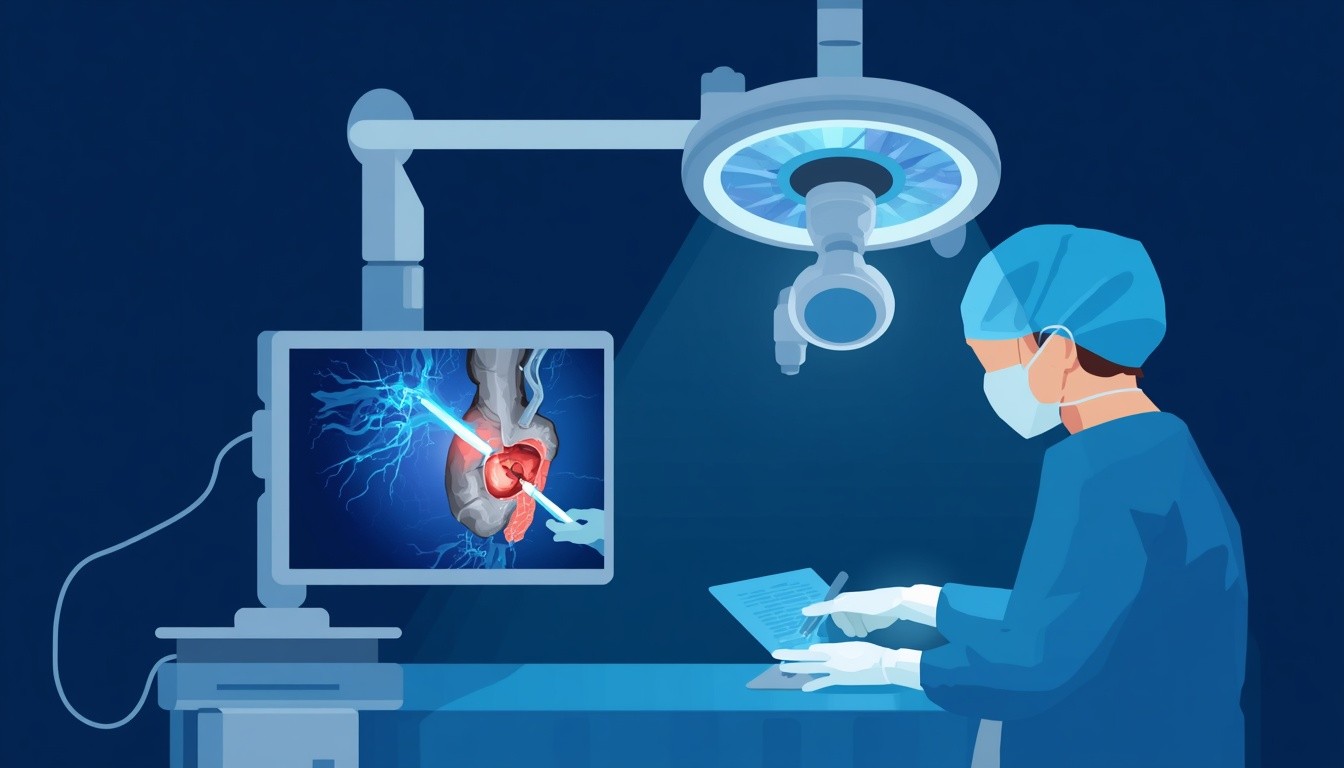
Walk into a modern operation theatre, and you’ll notice a lot more than surgical instruments and equipment. There are camera systems OT lights, electrosurgical units, monitors, and even recording platforms, everything has to work in tune with the surgical team.
That’s why many hospitals are sliding towards integrated OT setups. When these systems are linked together, there is less time spent fiddling with machinery, and more attention for the procedure itself.
At Matrix Medicals, this approach can be spotted across solutions like OcuReal-powered surgical visualization, Native 4K endoscopic camera systems, OT lights with LumiFlux technology, electrosurgical platforms, and integrated OT technologies. Each of these setups is built to help create a smoother surgical workflow, and to offer a better experience once you are inside the operating room
As hospitals keep upgrading their infrastructure, the focus is moving away from standalone devices toward complete surgical ecosystems. Be it advanced imaging or some of the best OT lights in India, the end point stays constant, to help surgical teams work with confidence and a steadier mindset.
Step into any modern operation theatre these days, and you’ll see how much it’s changed. Beside the surgical team, there are all these technologies that help make procedures feel smoother, more precise, and easier to manage day to day.
You’ll spot advanced surgical lights, an endoscopic imaging system, and a few other bits that give surgeons a sharper, clearer look at the surgical site. With that kind of visibility, teams work with more confidence, but also the whole OT coordination feels a bit less chaotic. In other words, collaboration tends to move faster, so procedures can be carried out more efficiently.
And as surgeries become even more specialized, technology keeps expanding its role. For many hospitals, buying into modern operation theatre technology isn’t only a simple upgrade anymore; it’s turning into a practical move toward better surgical outcomes and patient care.
Why Operation Theatre Technology Matters More Than Ever?
Over the years, surgery has gotten more advanced, and the whole process has changed a lot. Back then, many procedures needed big incisions, but now a lot of them can be done through small openings, using cameras and specialized tools. There are clear advantages for patients in this shift, but it also asks for a lot more precision while you are inside the operation theatre.
That’s where technology really steps in, because strong visualization, dependable equipment, and organized workflows support the surgical team so they can work faster and with more certainty, even when things get complicated. Hospitals are therefore investing in technologies that support better decision-making and smoother procedures.
What is important to remember is that technology does not perform surgery. The skill and experience of the surgical team remain central. In other words, technology just hands them the tools they need, so they can work at their best.
Advanced Surgical Visualization: Seeing More, Doing Better
Clear visualization is one of the most important needs in modern surgery, especially when the procedures are minimally invasive, and surgeons have to rely on camera systems instead of direct sight. Even the smallest details can make a difference during the procedure.
That’s why a lot of hospitals are shifting away from conventional HD setups and toward Native 4K imaging. The extra clarity makes it easier for surgeons to separate tissues, spot blood vessels, and recognize anatomical structures a bit more smoothly. In practice, that means better precision when operating. On top of that, improved image quality can make lengthy procedures feel less demanding on the eyes.
As demand for advanced surgical visualization keeps rising, healthcare providers are investing more in imaging technologies that are meant to be steady and dependable. With its surgical visualization solutions, Matrix Medicals helps hospitals bring in those tools, so surgical teams can get a clearer view of the operative field, and work with more confidence too.
The Role of Surgical Lighting in Precision and Safety
Getting a clear view of the surgical area starts with solid lighting. Modern LED OT lights are built to deliver steady, shadow-free illumination, so the surgeon can notice those small, important details during the whole procedure.
Things like adjustable brightness, a steady color temperature, and high CRI output mean tissues and internal structures are easier to separate, not just vaguely but with better perception. This becomes especially handy when the operation runs long, because the visibility has to stay reliable from the beginning right to the end.
Today, surgical lighting is no longer seen as just another OT equipment. It plays a direct part in supporting precision, visibility, and day-to-day workflow inside the operating room. With its operation theatre lighting solutions, Matrix Medicals aids hospitals in building surgical settings where teams can work with more clarity, and with a steadier confidence.
Integrated OT Systems and Workflow Efficiency
In a lot of hospitals, one of the biggest challenges inside the operating room is keeping multiple systems going at once. Imaging devices, surgical displays, recording systems, and the documentation tools all end up needing to line up together during the procedure.
This is basically where integrated OT solutions start making a difference. Rather than running as totally separate systems, they can get connected through one single platform, so it becomes a lot simpler to reach and steer the information when it’s actually needed.
Solutions like the Infini ecosystem from Matrix Medicals are built with this kind of approach in mind. When you bring visualization together with connectivity, plus recording and workflow management, it helps form a more organized surgical setting. In the end, you get fewer stoppages, better coordination between the OT teams, and a more fluent flow throughout the whole procedure.
AI and the Future of Surgical Technology
Not long ago, features such as automatic image enhancement or smoke reduction sounded futuristic. Today, they are becoming part of modern surgical systems.
In the middle of procedures, things like surgical smoke, poor visibility, or shifting light conditions can make it hard to maintain a clear view. But newer imaging technologies can lend a hand in real time, upgrading the image quality while things are still happening, so the surgical area is easier to see, without having to stop the flow of the procedure.
And as operation theatres keep getting more connected, technology is also stepping in to help the teams handle information in a faster, cleaner way. Rather than replacing surgeons or the OT staff, these tools are meant to stand beside them, by lowering distractions and sharpening visibility exactly when it matters the most.
The future of surgical technology is not about machines taking over surgery. It is about giving surgical teams better tools to do their work.
The Future of Surgical Outcomes: Technology, Integration, and Industry Innovation
Walk into a modern operation theatre, and you’ll notice a lot more than surgical instruments and equipment. There are camera systems OT lights, electrosurgical units, monitors, and even recording platforms, everything has to work in tune with the surgical team.
That’s why many hospitals are sliding towards integrated OT setups. When these systems are linked together, there is less time spent fiddling with machinery, and more attention for the procedure itself.
At Matrix Medicals, this approach can be spotted across solutions like OcuReal-powered surgical visualization, Native 4K endoscopic camera systems, OT lights with LumiFlux technology, electrosurgical platforms, and integrated OT technologies. Each of these setups is built to help create a smoother surgical workflow, and to offer a better experience once you are inside the operating room
As hospitals keep upgrading their infrastructure, the focus is moving away from standalone devices toward complete surgical ecosystems. Be it advanced imaging or some of the best OT lights in India, the end point stays constant, to help surgical teams work with confidence and a steadier mindset.
Share:
Share
RELATED ARTICLES
Read more from our blogs

Why Is Zero Positioning Important in Modern Operation Theatre Tables?
Why Is Zero Positioning Important in Modern Operation Theatre Tables?

Why Is Saline-Compatible Cautery Machine Important in Urological Surgery?
Why Is Saline-Compatible Cautery Machine Important in Urological Surgery?

How Medical Laboratory Technology Is Improving the Speed and Accuracy of Diagnostics
How Medical Laboratory Technology Is Improving the Speed and Accuracy of Diagnostics
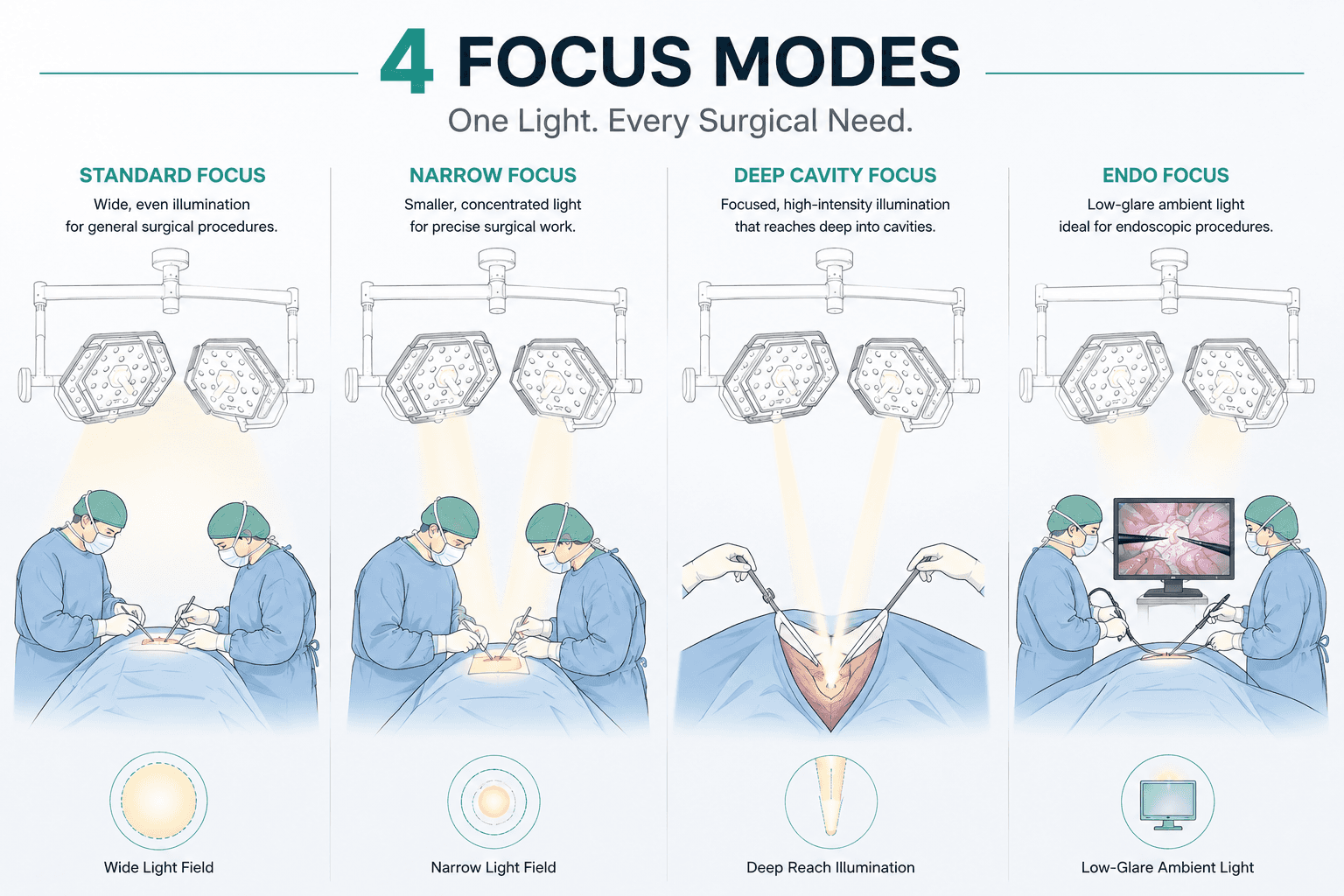
What Are the Different Focus Modes in Modern Surgical Theatre Lights?
What Are the Different Focus Modes in Modern Surgical Theatre Lights?
Products
Get in touch


info@matrixmedicals.in

+91 7304411451
+91 9821235552
Copyright © 2026 Matrix Medicals Pvt. Ltd., All rights reserved.
Products
Get in touch
info@matrixmedicals.in
+91 7304411451
+91 9821235552
Copyright © 2026 Matrix Medicals Pvt. Ltd., All rights reserved.
Contact Us
Contact Us
Contact Us