How India's MedTech Industry Is Becoming a Global Manufacturing Hub
How India's MedTech Industry Is Becoming a Global Manufacturing Hub
Share:
Share
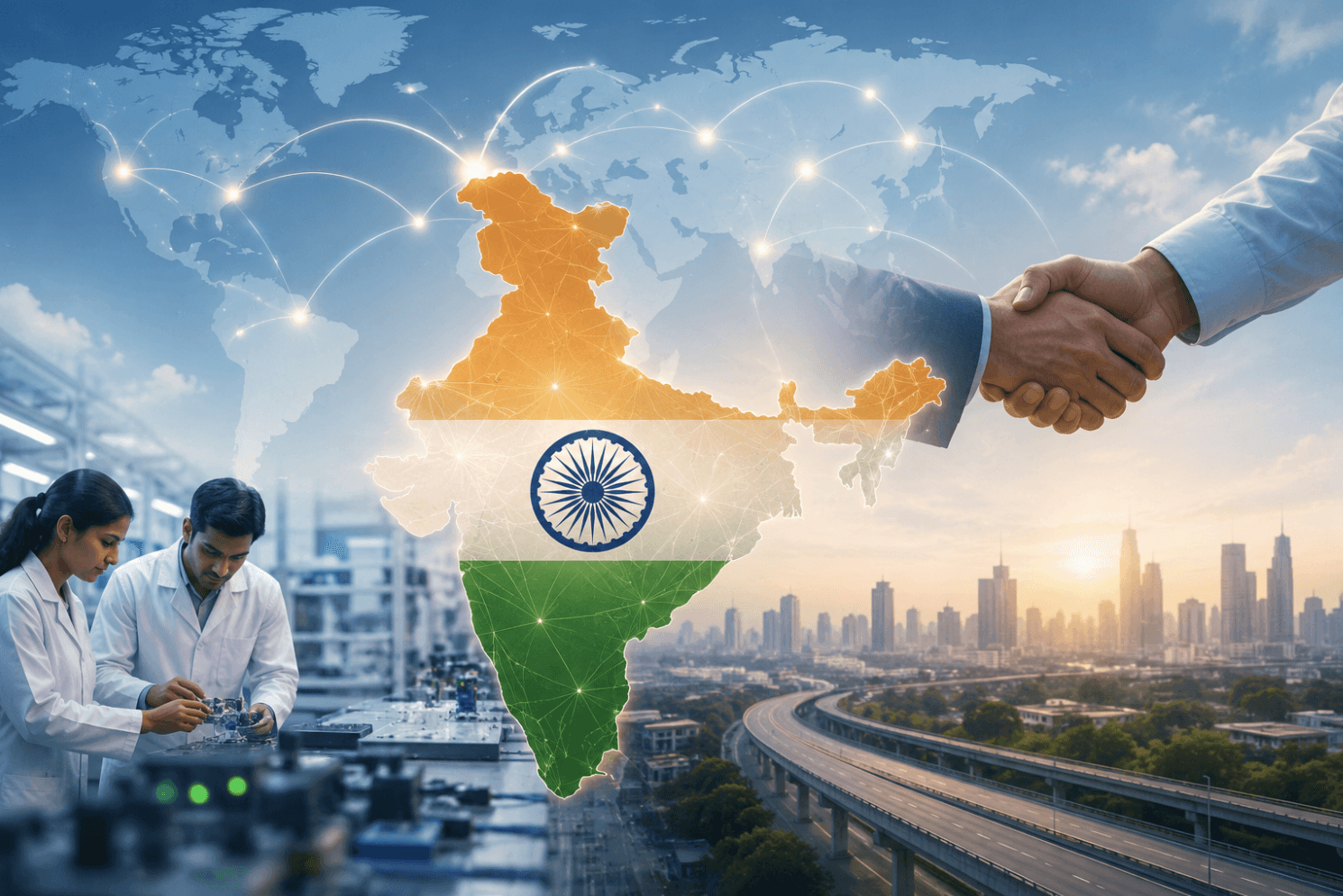
India's healthcare sector is in the middle of a significant shift, and few areas reflect that as clearly as MedTech. Once treated as a secondary concern behind pharmaceuticals, medical devices have become a genuine priority under the "Make in India" initiative, backed by real policy attention rather than passing mentions. This shift isn't happening in isolation. Domestic demand for healthcare technology is climbing steadily, hospitals are expanding across the country, and global manufacturers are paying closer attention to what India has to offer, not just as a market to sell into, but as a place to build. Categories like operation theatre equipments sit right at the center of this change. The bigger story here is one of ambition: India is moving past its long-standing role as an importer of medical technology and working toward becoming a serious manufacturing and export destination.
Understanding India's MedTech Industry Today
MedTech is a wide umbrella, and it helps to break down what sits under it:
Diagnostic equipment
Surgical equipment
Imaging systems
Patient monitoring devices
Operation theatre equipment
Consumables and implants
India has made real progress across most of these, and its slice of the global device ecosystem keeps growing. That said, worth being honest here: a lot of the high-end, advanced machinery in Indian hospitals is still imported. That's not a knock on the industry, it's just where things stand today, and it's the fair starting point for the rest of this piece.
Why India Is Emerging as a Manufacturing Hub
A. Government Policy Support
Policy has done a lot of the heavy lifting here:
Make in India - put medical devices on the priority list instead of treating them as an afterthought
Production Linked Incentive (PLI) Scheme - real financial incentives for companies choosing to manufacture locally
Medical Device Parks - shared infrastructure so manufacturers aren't building everything in isolation
National Medical Devices Policy - a longer-term roadmap for where the sector needs to go
None of these would do much on their own. Together, they start looking like an actual ecosystem.
B. Cost-Competitive Manufacturing
There's also a simpler story underneath the policy talk:
A deep pool of skilled engineering talent
Manufacturing costs that stay competitive against other countries chasing the same business
A supplier base that keeps getting broader and more capable
Production quality that's improved steadily, not overnight
C. Growing Domestic Demand
And honestly, this might be the biggest driver of all:
Hospital infrastructure expanding quickly
Surgical volumes climbing year after year
Real growth in Tier-2 and Tier-3 cities, not just the metros
Private hospital chains expanding aggressively, each new facility needing to be equipped
All of that demand is what's actually pulling manufacturers toward producing more operation theatre equipments domestically, it's simply where the business case points.
India's Strengths in Medical Device Manufacturing
Zoom out, and India's strengths stop looking like a checklist and start looking like a real competitive position:
A large, increasingly specialized engineering workforce
A mature pharmaceutical ecosystem to build on
Rising R&D investment
Improving quality standards across manufacturing units
Growing OEM partnerships
New export opportunities, including for more specialized products like electrosurgical generators
A geographic position that works well for serving Asia, Africa, and the Middle East
Multinational companies are increasingly setting up manufacturing in India too, as global supply chains diversify away from leaning too heavily on any one country.
Challenges That Still Need to Be Addressed
It's not all smooth sailing, and it's worth saying so plainly:
Heavy dependence on imported high-end components
Limited indigenous R&D for the most advanced devices
Regulatory compliance for exports that can be genuinely tough for smaller manufacturers
Gaps across parts of the domestic supply chain
A shortage of testing and certification facilities
Talent development for advanced, precision manufacturing that's still a work in progress
The Department of Pharmaceuticals has flagged several of these issues in its own industry assessments, this isn't a hidden problem, just one that takes time to fix.
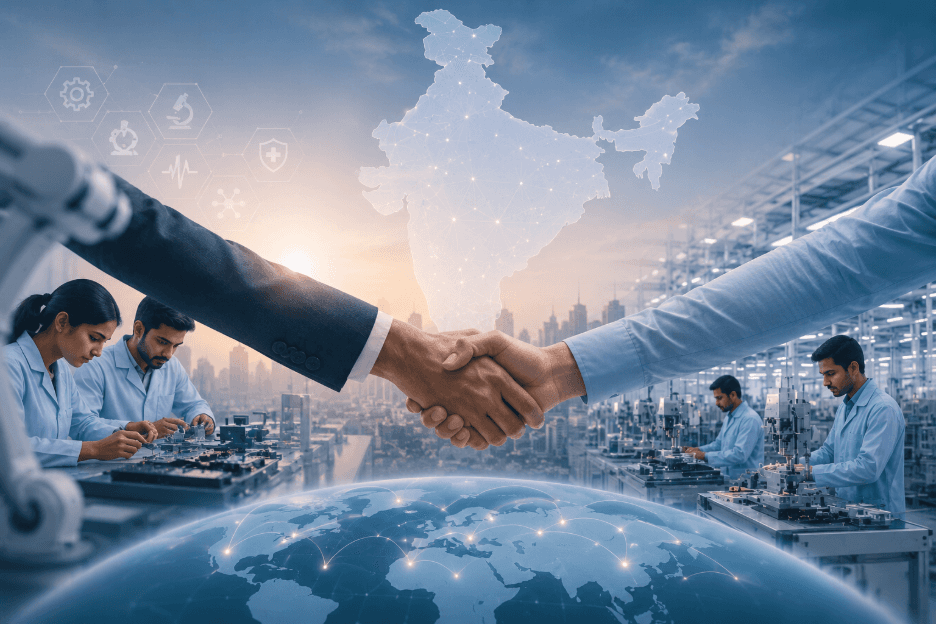
What This Means for Hospitals and Healthcare Providers
For the people running hospitals, this shift is mostly good news:
Better availability of operation theatre equipments
Faster product support and shorter procurement timelines
More competitive pricing without a drop in quality
Innovation moving faster, including in things like operation theatre lights, because feedback loops between manufacturer and hospital get shorter
Better after-sales service overall, since local manufacturers are also the ones servicing what they sell
How Matrix Medicals Is Contributing to India's MedTech Growth
Matrix Medicals is a decent example of what this looks like on the ground, even though it's just one piece of a much larger picture:
Over 30 years of experience in the operation theatre equipment industry, and one of India's established distributors of advanced OT solutions
A long-running partnership with the EPMD Group, which has helped bring Make in India medical technologies into hospitals rather than leaving it as a policy slogan
A portfolio that includes Indian-engineered operation theatre tables, endoscopic imaging systems, and electrosurgical generators
Integrated OT setups built to meet international quality expectations
A focus on reliable technology, responsive service, and local expertise, the unglamorous, steady work that moves an industry forward
Conclusion
India's MedTech story is still being written, and it's a more honest one than a simple "rising global hub" headline suggests. There's real progress, better policy support, growing manufacturing capability, rising domestic demand, and there are real gaps that will take years, not quarters, to close. For hospitals, the practical takeaway is simple: more reliable operation theatre equipments, faster support, and a domestic manufacturing base that's slowly, genuinely growing into something the rest of the world is starting to pay attention to.
India's healthcare sector is in the middle of a significant shift, and few areas reflect that as clearly as MedTech. Once treated as a secondary concern behind pharmaceuticals, medical devices have become a genuine priority under the "Make in India" initiative, backed by real policy attention rather than passing mentions. This shift isn't happening in isolation. Domestic demand for healthcare technology is climbing steadily, hospitals are expanding across the country, and global manufacturers are paying closer attention to what India has to offer, not just as a market to sell into, but as a place to build. Categories like operation theatre equipments sit right at the center of this change. The bigger story here is one of ambition: India is moving past its long-standing role as an importer of medical technology and working toward becoming a serious manufacturing and export destination.
Understanding India's MedTech Industry Today
MedTech is a wide umbrella, and it helps to break down what sits under it:
Diagnostic equipment
Surgical equipment
Imaging systems
Patient monitoring devices
Operation theatre equipment
Consumables and implants
India has made real progress across most of these, and its slice of the global device ecosystem keeps growing. That said, worth being honest here: a lot of the high-end, advanced machinery in Indian hospitals is still imported. That's not a knock on the industry, it's just where things stand today, and it's the fair starting point for the rest of this piece.
Why India Is Emerging as a Manufacturing Hub
A. Government Policy Support
Policy has done a lot of the heavy lifting here:
Make in India - put medical devices on the priority list instead of treating them as an afterthought
Production Linked Incentive (PLI) Scheme - real financial incentives for companies choosing to manufacture locally
Medical Device Parks - shared infrastructure so manufacturers aren't building everything in isolation
National Medical Devices Policy - a longer-term roadmap for where the sector needs to go
None of these would do much on their own. Together, they start looking like an actual ecosystem.
B. Cost-Competitive Manufacturing
There's also a simpler story underneath the policy talk:
A deep pool of skilled engineering talent
Manufacturing costs that stay competitive against other countries chasing the same business
A supplier base that keeps getting broader and more capable
Production quality that's improved steadily, not overnight
C. Growing Domestic Demand
And honestly, this might be the biggest driver of all:
Hospital infrastructure expanding quickly
Surgical volumes climbing year after year
Real growth in Tier-2 and Tier-3 cities, not just the metros
Private hospital chains expanding aggressively, each new facility needing to be equipped
All of that demand is what's actually pulling manufacturers toward producing more operation theatre equipments domestically, it's simply where the business case points.
India's Strengths in Medical Device Manufacturing
Zoom out, and India's strengths stop looking like a checklist and start looking like a real competitive position:
A large, increasingly specialized engineering workforce
A mature pharmaceutical ecosystem to build on
Rising R&D investment
Improving quality standards across manufacturing units
Growing OEM partnerships
New export opportunities, including for more specialized products like electrosurgical generators
A geographic position that works well for serving Asia, Africa, and the Middle East
Multinational companies are increasingly setting up manufacturing in India too, as global supply chains diversify away from leaning too heavily on any one country.
Challenges That Still Need to Be Addressed
It's not all smooth sailing, and it's worth saying so plainly:
Heavy dependence on imported high-end components
Limited indigenous R&D for the most advanced devices
Regulatory compliance for exports that can be genuinely tough for smaller manufacturers
Gaps across parts of the domestic supply chain
A shortage of testing and certification facilities
Talent development for advanced, precision manufacturing that's still a work in progress
The Department of Pharmaceuticals has flagged several of these issues in its own industry assessments, this isn't a hidden problem, just one that takes time to fix.
What This Means for Hospitals and Healthcare Providers
For the people running hospitals, this shift is mostly good news:
Better availability of operation theatre equipments
Faster product support and shorter procurement timelines
More competitive pricing without a drop in quality
Innovation moving faster, including in things like operation theatre lights, because feedback loops between manufacturer and hospital get shorter
Better after-sales service overall, since local manufacturers are also the ones servicing what they sell
How Matrix Medicals Is Contributing to India's MedTech Growth
Matrix Medicals is a decent example of what this looks like on the ground, even though it's just one piece of a much larger picture:
Over 30 years of experience in the operation theatre equipment industry, and one of India's established distributors of advanced OT solutions
A long-running partnership with the EPMD Group, which has helped bring Make in India medical technologies into hospitals rather than leaving it as a policy slogan
A portfolio that includes Indian-engineered operation theatre tables, endoscopic imaging systems, and electrosurgical generators
Integrated OT setups built to meet international quality expectations
A focus on reliable technology, responsive service, and local expertise, the unglamorous, steady work that moves an industry forward
Conclusion
India's MedTech story is still being written, and it's a more honest one than a simple "rising global hub" headline suggests. There's real progress, better policy support, growing manufacturing capability, rising domestic demand, and there are real gaps that will take years, not quarters, to close. For hospitals, the practical takeaway is simple: more reliable operation theatre equipments, faster support, and a domestic manufacturing base that's slowly, genuinely growing into something the rest of the world is starting to pay attention to.
Share:
Share
RELATED ARTICLES
Read more from our blogs
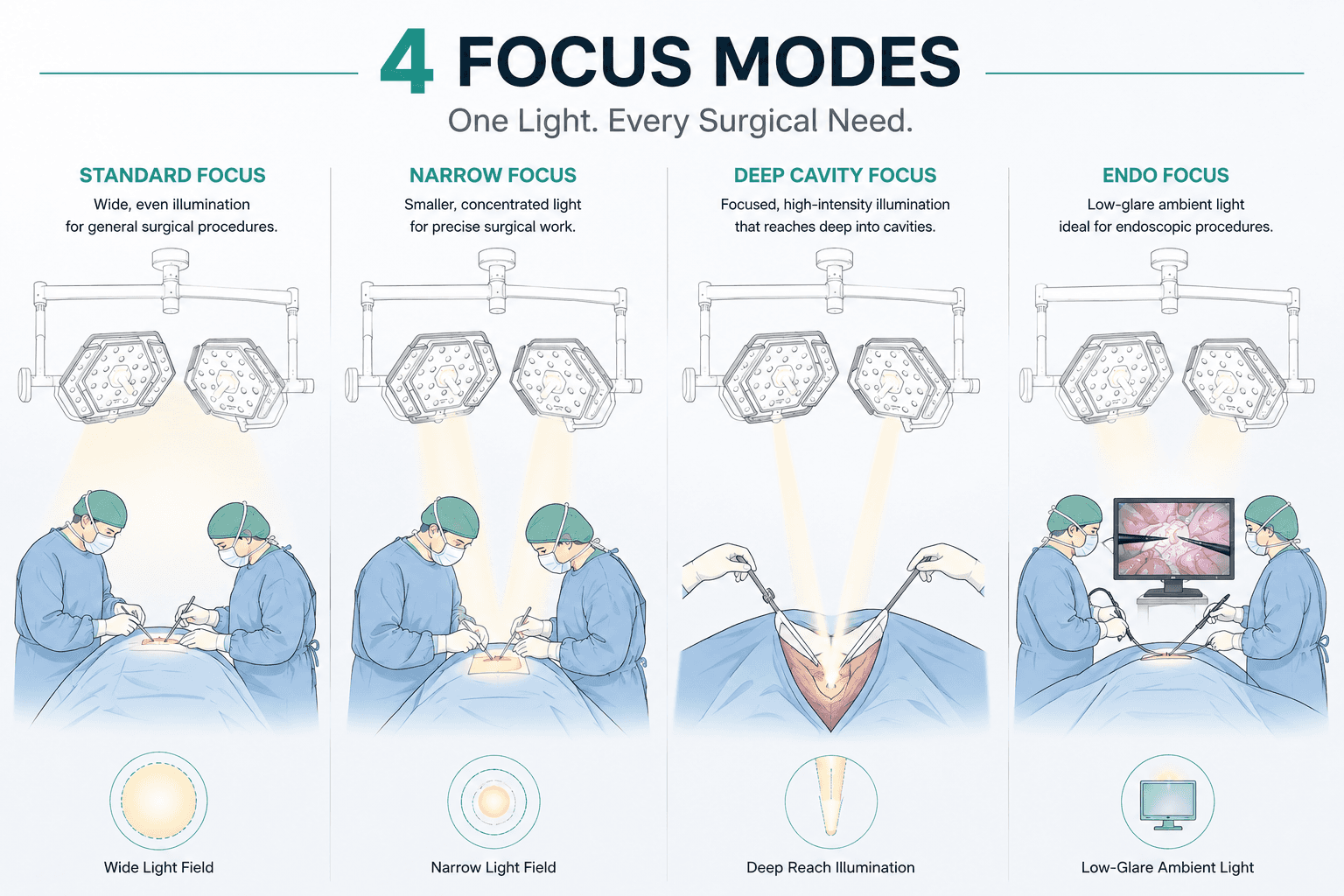
What Are the Different Focus Modes in Modern Surgical Theatre Lights?
What Are the Different Focus Modes in Modern Surgical Theatre Lights?

How Advanced MedTech Solutions Are Improving Surgical Precision and Efficiency
How Advanced MedTech Solutions Are Improving Surgical Precision and Efficiency

How Hospitals Should Evaluate Medical Equipment Before Procurement
How Hospitals Should Evaluate Medical Equipment Before Procurement

C-Arm Compatible OT Tables: What Hospitals Should Check Before Buying
C-Arm Compatible OT Tables: What Hospitals Should Check Before Buying

Products
Get in touch


info@matrixmedicals.in

+91 7304411451
+91 9821235552
Copyright © 2026 Matrix Medicals Pvt. Ltd., All rights reserved.
Products
Get in touch
info@matrixmedicals.in
+91 7304411451
+91 9821235552
Copyright © 2026 Matrix Medicals Pvt. Ltd., All rights reserved.
Contact Us
Contact Us
Contact Us