From Halogen to LED: The Evolution of Surgical Lights in Modern Operating Rooms
From Halogen to LED: The Evolution of Surgical Lights in Modern Operating Rooms
Share:
Share
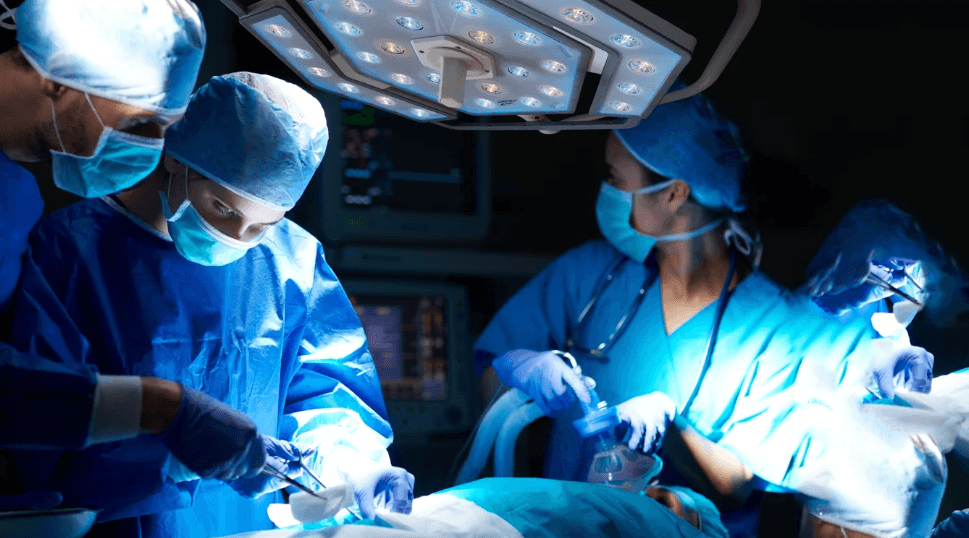
The operating room has changed a lot over the years. As surgery has become more precise and sometimes more complex, the tools around it also had to shift. One clear example is the operation theatre light. What used to be just a simple illumination source is now built to give sharp visibility, accurate color reproduction, and a more comfortable setup for the surgical team while they work.
The push for better lighting became obvious when procedures started lasting longer, and the steps inside them got more demanding. Hospitals then began searching for options that could lower heat, boost what they can see, and keep the performance steady throughout the whole operation. This change helped the industry move away from traditional halogen systems, and into the LED surgical lights that are so common in operating rooms these days.
Meeting the Changing Demands of Modern Surgery
With surgeries becoming longer and more specialised, hospitals began looking for OT lights that would give clearer visibility and stable performance during procedures. Old lighting systems were often a pain to maintain, and they simply did not always deliver the sort of precision that today’s operation theatres need, especially when you have modern workflows.
This is where healthcare equipment providers stepped in. Over the years, providers such as Matrix Medicals have delivered OT lighting solutions while adapting to the shifting needs of hospitals and surgeons. The sector gradually moved from the usual lighting systems to newer LED surgical lights, yet the main expectations stayed pretty much the same, consistent illumination, better surgeon comfort, reliability, durability, low maintenance, and meeting modern OT standards.
The Halogen Era: Setting the Foundation for Surgical Illumination
Some time ago, halogen surgical lights were seen in every operation theatre. They got popular because they offered doctors a much brighter light than the older setups, so it was easier to focus during surgeries and the visibility around the operating spot just looked better.
For a lot of hospitals, these lights became a major upgrade and stayed the usual choice for years. But later, practical problems started showing up too. The lights produced a lot of heat during long procedures, the bulbs needed replacing more often than anyone wanted, and the power use was comparatively higher. Also, their operational lifespan was limited, so that meant extra servicing work for hospitals, all the time.
As operation theatres became more advanced, the need for a more efficient lighting solution slowly started becoming clear.
The Shift Toward Better Performance: Why the Industry Needed Change
Once hospitals started doing more surgeries, and longer procedures too, the weak spots of the usual OT lights became more obvious. Surgeons were often working for hours under the same intense illumination, and that meant the heat buildup was becoming uncomfortable, also a real nuisance in the operation theatres.
At the same time, hospitals started caring a lot more about patient safety, energy efficiency, and less maintenance headaches. So it felt like a lighting system was required that stayed cooler, use less power, and offer stronger color clarity throughout the procedure. On top of that, constant bulb replacements, and the associated downtime, were getting harder for busy healthcare facilities to manage.
These changing expectations pushed manufacturers to look beyond conventional lighting systems and explore newer technologies that could give them better performance, with lower maintenance requirements.
The LED Revolution: How Modern Surgical Lights Set New Standards
The Rise of LED Surgical Lights
When LED surgical lights first started entering operation theatres, hospitals quickly noticed the difference. Earlier, halogen lamps worked well for their time, but they also pushed a lot of heat back into the OT, and you had to keep swapping the bulbs on a regular basis. In busy hospitals it slowly started to feel harder to manage all that.
LED lights, on the other hand, took care of a bunch of those day-to-day troubles. They stayed cooler through long procedures; they consumed less electricity, and they simply lasted way longer compared with halogen systems. Surgeons also preferred them because the lighting felt more stable and clearer during procedures. Better color visibility made it easier to work for extended hours without constant strain under the OT lights.
Over a period of time, LED surgical lights became common across modern hospitals, not just because of technology, but because they made operation theatres easier to manage on a daily basis.
What Hospitals Look for Today
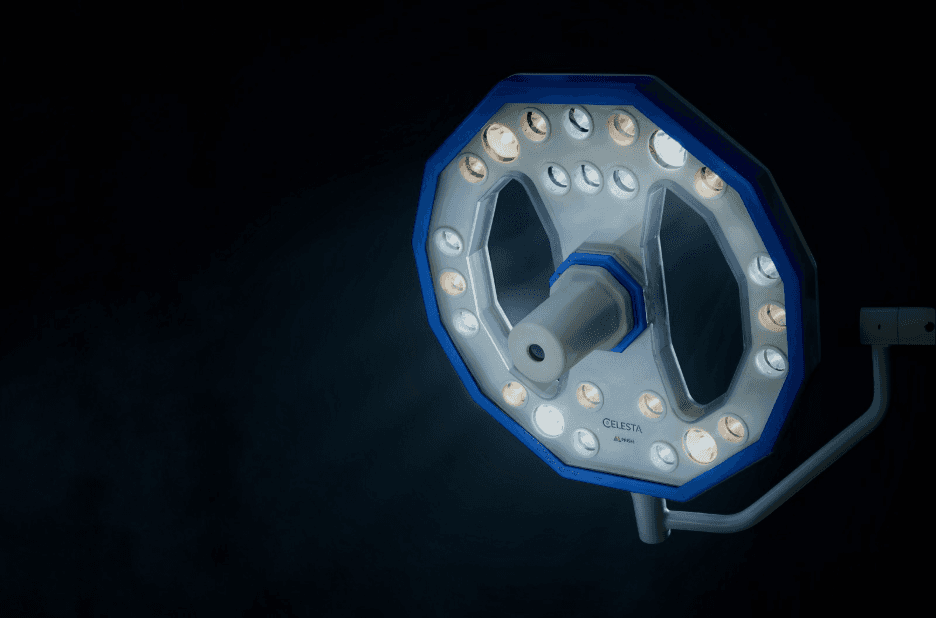
Today, hospitals expect much more from surgical lights than simple brightness. Doctors look for proper shadow control, accurate color visibility, and consistent illumination during procedures. Adjustable intensity has also become important because every surgery requires different lighting conditions.
Hospitals now also think about the day-to-day stuff, like lower maintenance, energy savings, and designs that are a bit easier to clean and keep tidy inside sterile OT environments.
Industry Perspective
As surgeries keep becoming more specialised, surgical lighting evolved right along with them, maybe not all at once but steadily. Now, hospitals see OT lights as a key piece of surgical infrastructure, because better lighting directly backs up visibility comfort, workflow and overall efficiency inside the operation theatre.

Looking Ahead: The Future of Surgical Lights and What It Means for Healthcare
Operation theatres have changed a lot over the years and so have surgical lights with them. Hospitals today are not just looking for brighter lights. They want systems that stay reliable during long surgeries, generate less heat, and are easier to maintain in busy OT environments.
LED technology has already become common in most modern hospitals, but improvements are still continuing. Better shadow control, clearer visibility, and improved color accuracy are now expected from every modern operation theatre shadowless light used inside the OT.
The shift from halogen lamps to LED systems mirrors how healthcare infrastructure slowly gets more sophisticated, and also more deliberately designed over time. As hospitals keep improving their operating theatres, surgical lighting will remain a key element for sound and efficient patient care.
Organizations with a long track record in OT solutions, like Matrix Medicals, keep helping hospitals because these demands keep changing, and moving forward.
The operating room has changed a lot over the years. As surgery has become more precise and sometimes more complex, the tools around it also had to shift. One clear example is the operation theatre light. What used to be just a simple illumination source is now built to give sharp visibility, accurate color reproduction, and a more comfortable setup for the surgical team while they work.
The push for better lighting became obvious when procedures started lasting longer, and the steps inside them got more demanding. Hospitals then began searching for options that could lower heat, boost what they can see, and keep the performance steady throughout the whole operation. This change helped the industry move away from traditional halogen systems, and into the LED surgical lights that are so common in operating rooms these days.
Meeting the Changing Demands of Modern Surgery
With surgeries becoming longer and more specialised, hospitals began looking for OT lights that would give clearer visibility and stable performance during procedures. Old lighting systems were often a pain to maintain, and they simply did not always deliver the sort of precision that today’s operation theatres need, especially when you have modern workflows.
This is where healthcare equipment providers stepped in. Over the years, providers such as Matrix Medicals have delivered OT lighting solutions while adapting to the shifting needs of hospitals and surgeons. The sector gradually moved from the usual lighting systems to newer LED surgical lights, yet the main expectations stayed pretty much the same, consistent illumination, better surgeon comfort, reliability, durability, low maintenance, and meeting modern OT standards.
The Halogen Era: Setting the Foundation for Surgical Illumination
Some time ago, halogen surgical lights were seen in every operation theatre. They got popular because they offered doctors a much brighter light than the older setups, so it was easier to focus during surgeries and the visibility around the operating spot just looked better.
For a lot of hospitals, these lights became a major upgrade and stayed the usual choice for years. But later, practical problems started showing up too. The lights produced a lot of heat during long procedures, the bulbs needed replacing more often than anyone wanted, and the power use was comparatively higher. Also, their operational lifespan was limited, so that meant extra servicing work for hospitals, all the time.
As operation theatres became more advanced, the need for a more efficient lighting solution slowly started becoming clear.
The Shift Toward Better Performance: Why the Industry Needed Change
Once hospitals started doing more surgeries, and longer procedures too, the weak spots of the usual OT lights became more obvious. Surgeons were often working for hours under the same intense illumination, and that meant the heat buildup was becoming uncomfortable, also a real nuisance in the operation theatres.
At the same time, hospitals started caring a lot more about patient safety, energy efficiency, and less maintenance headaches. So it felt like a lighting system was required that stayed cooler, use less power, and offer stronger color clarity throughout the procedure. On top of that, constant bulb replacements, and the associated downtime, were getting harder for busy healthcare facilities to manage.
These changing expectations pushed manufacturers to look beyond conventional lighting systems and explore newer technologies that could give them better performance, with lower maintenance requirements.
The LED Revolution: How Modern Surgical Lights Set New Standards
The Rise of LED Surgical Lights
When LED surgical lights first started entering operation theatres, hospitals quickly noticed the difference. Earlier, halogen lamps worked well for their time, but they also pushed a lot of heat back into the OT, and you had to keep swapping the bulbs on a regular basis. In busy hospitals it slowly started to feel harder to manage all that.
LED lights, on the other hand, took care of a bunch of those day-to-day troubles. They stayed cooler through long procedures; they consumed less electricity, and they simply lasted way longer compared with halogen systems. Surgeons also preferred them because the lighting felt more stable and clearer during procedures. Better color visibility made it easier to work for extended hours without constant strain under the OT lights.
Over a period of time, LED surgical lights became common across modern hospitals, not just because of technology, but because they made operation theatres easier to manage on a daily basis.
What Hospitals Look for Today
Today, hospitals expect much more from surgical lights than simple brightness. Doctors look for proper shadow control, accurate color visibility, and consistent illumination during procedures. Adjustable intensity has also become important because every surgery requires different lighting conditions.
Hospitals now also think about the day-to-day stuff, like lower maintenance, energy savings, and designs that are a bit easier to clean and keep tidy inside sterile OT environments.
Industry Perspective
As surgeries keep becoming more specialised, surgical lighting evolved right along with them, maybe not all at once but steadily. Now, hospitals see OT lights as a key piece of surgical infrastructure, because better lighting directly backs up visibility comfort, workflow and overall efficiency inside the operation theatre.
Looking Ahead: The Future of Surgical Lights and What It Means for Healthcare
Operation theatres have changed a lot over the years and so have surgical lights with them. Hospitals today are not just looking for brighter lights. They want systems that stay reliable during long surgeries, generate less heat, and are easier to maintain in busy OT environments.
LED technology has already become common in most modern hospitals, but improvements are still continuing. Better shadow control, clearer visibility, and improved color accuracy are now expected from every modern operation theatre shadowless light used inside the OT.
The shift from halogen lamps to LED systems mirrors how healthcare infrastructure slowly gets more sophisticated, and also more deliberately designed over time. As hospitals keep improving their operating theatres, surgical lighting will remain a key element for sound and efficient patient care.
Organizations with a long track record in OT solutions, like Matrix Medicals, keep helping hospitals because these demands keep changing, and moving forward.
Share:
Share
RELATED ARTICLES
Read more from our blogs
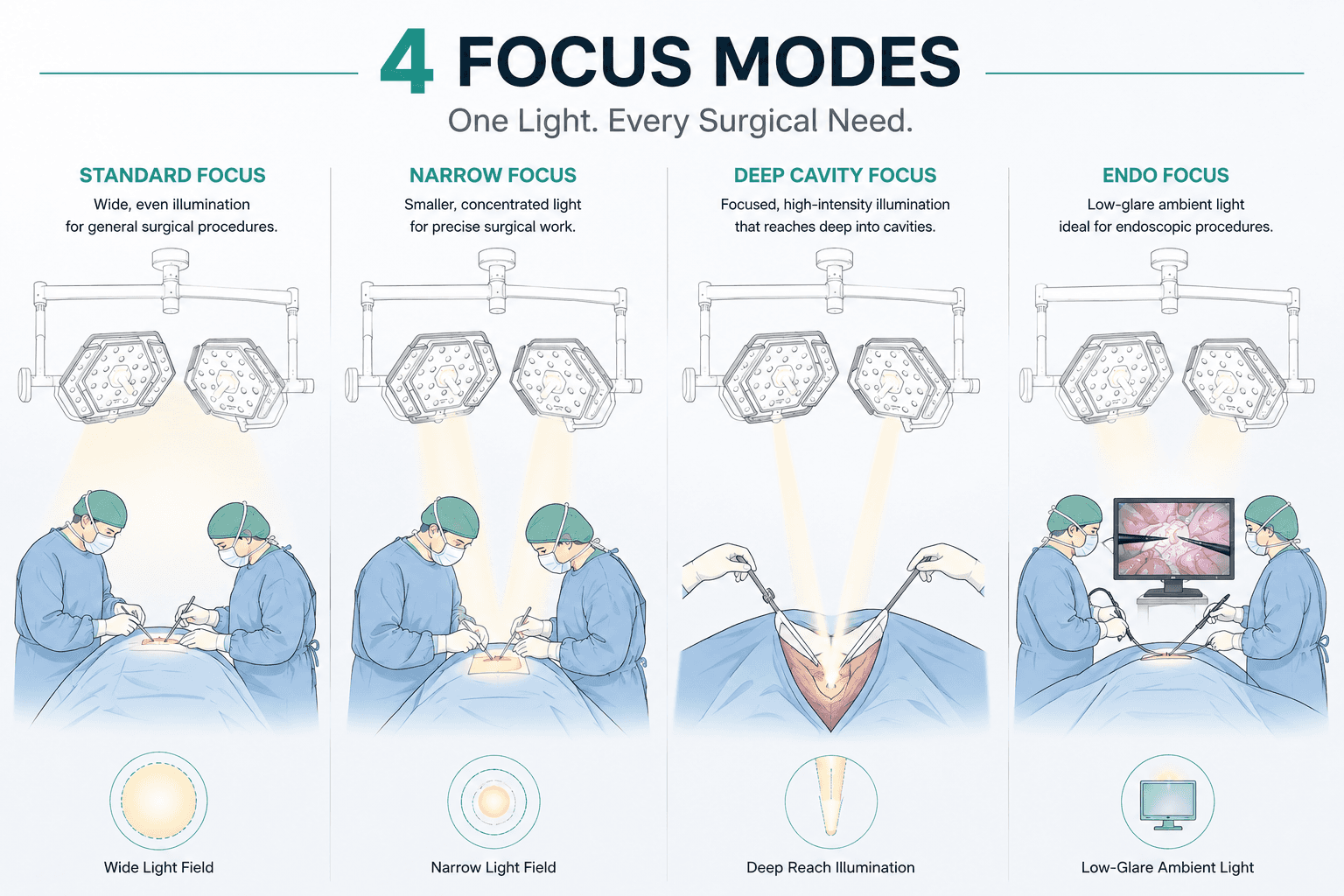
What Are the Different Focus Modes in Modern Surgical Theatre Lights?
What Are the Different Focus Modes in Modern Surgical Theatre Lights?

How Advanced MedTech Solutions Are Improving Surgical Precision and Efficiency
How Advanced MedTech Solutions Are Improving Surgical Precision and Efficiency

How Hospitals Should Evaluate Medical Equipment Before Procurement
How Hospitals Should Evaluate Medical Equipment Before Procurement

C-Arm Compatible OT Tables: What Hospitals Should Check Before Buying
C-Arm Compatible OT Tables: What Hospitals Should Check Before Buying

Products
Get in touch


info@matrixmedicals.in

+91 7304411451
+91 9821235552
Copyright © 2026 Matrix Medicals Pvt. Ltd., All rights reserved.
Products
Get in touch
info@matrixmedicals.in
+91 7304411451
+91 9821235552
Copyright © 2026 Matrix Medicals Pvt. Ltd., All rights reserved.
Contact Us
Contact Us
Contact Us